Crates & Gates

Best Dog Door for a Sliding Glass Door of 2026

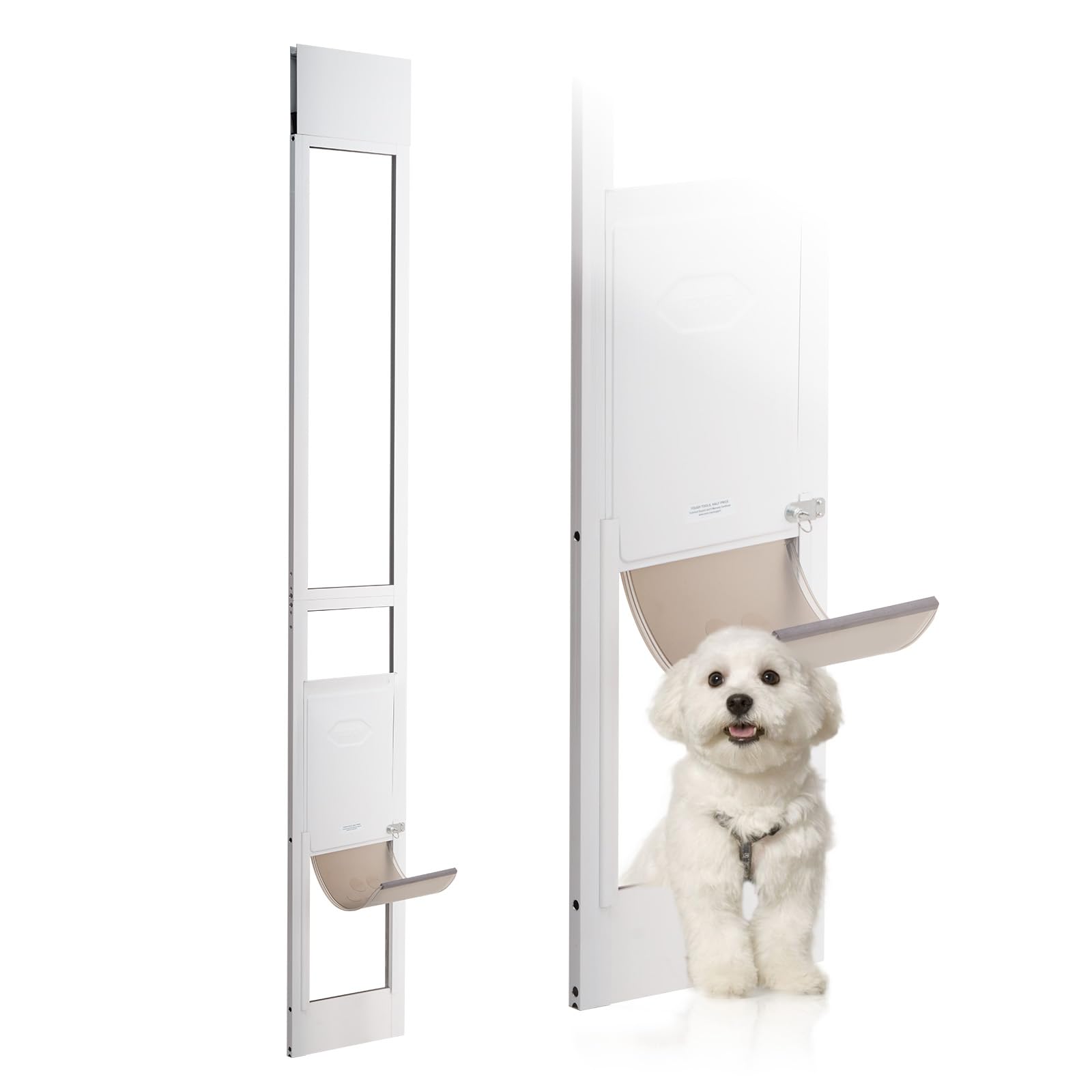
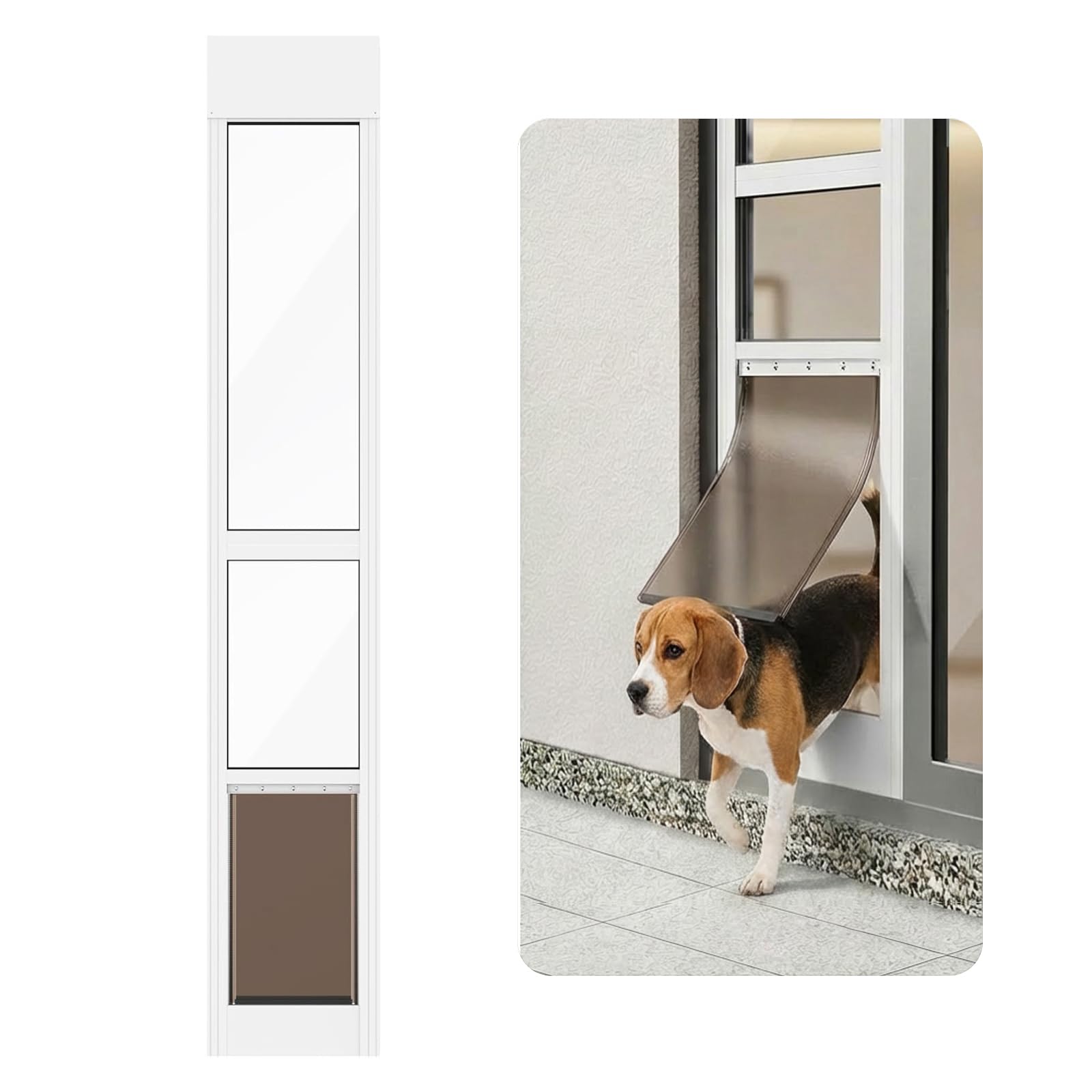
A sliding glass door is the best feature in a lot of kitchens and family rooms, right up until the dog needs out for the third time before breakfast. A pet panel slides into the door's existing track, so the dog gets a door without a hole saw, a contractor, or any permanent change to the glass. You keep the view and the deposit; the rest comes down to fit, sealing, and whether the flap closes behind your dog on its own.

I've had one in my own back door for three years, and my team has spent the last eight months installing and living with 11 more. Here's what nobody tells a first-time buyer: flap width is rarely the issue, the height of the panel and the height of the flap opening are. Construction mattered more than price, too, since the panels that stayed solid when you yanked the sliding door shut were rarely the most expensive ones. The ones still hanging in our testers' doors are below.

1

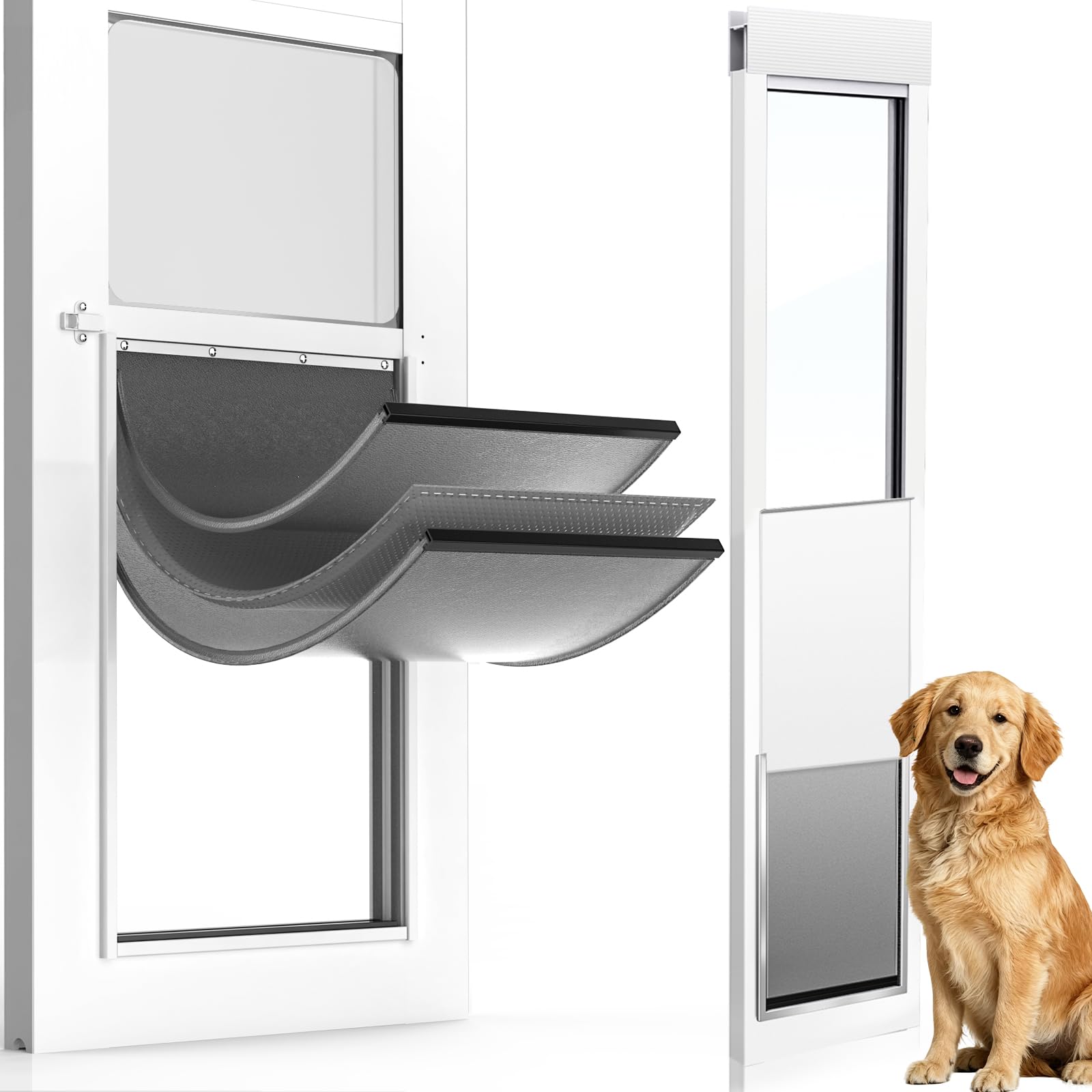
PetSafe One-Piece Pet Door

Top Pick
PetSafe One-Piece Pet Door

Most dogs and sliders

Our Score 8.8/10
Check Price

Worth Noting

  • Takes 13 1/2 inches out of your walk-through
  • Frame springs can fail under heavy use
Flap Opening
10 1/4 x 16 3/8 in
Dog Weight Limit
100 lb
Doorway Width Used
13 1/2 in
Track Height Range
75 7/8 to 80 11/16 in
Read the full review

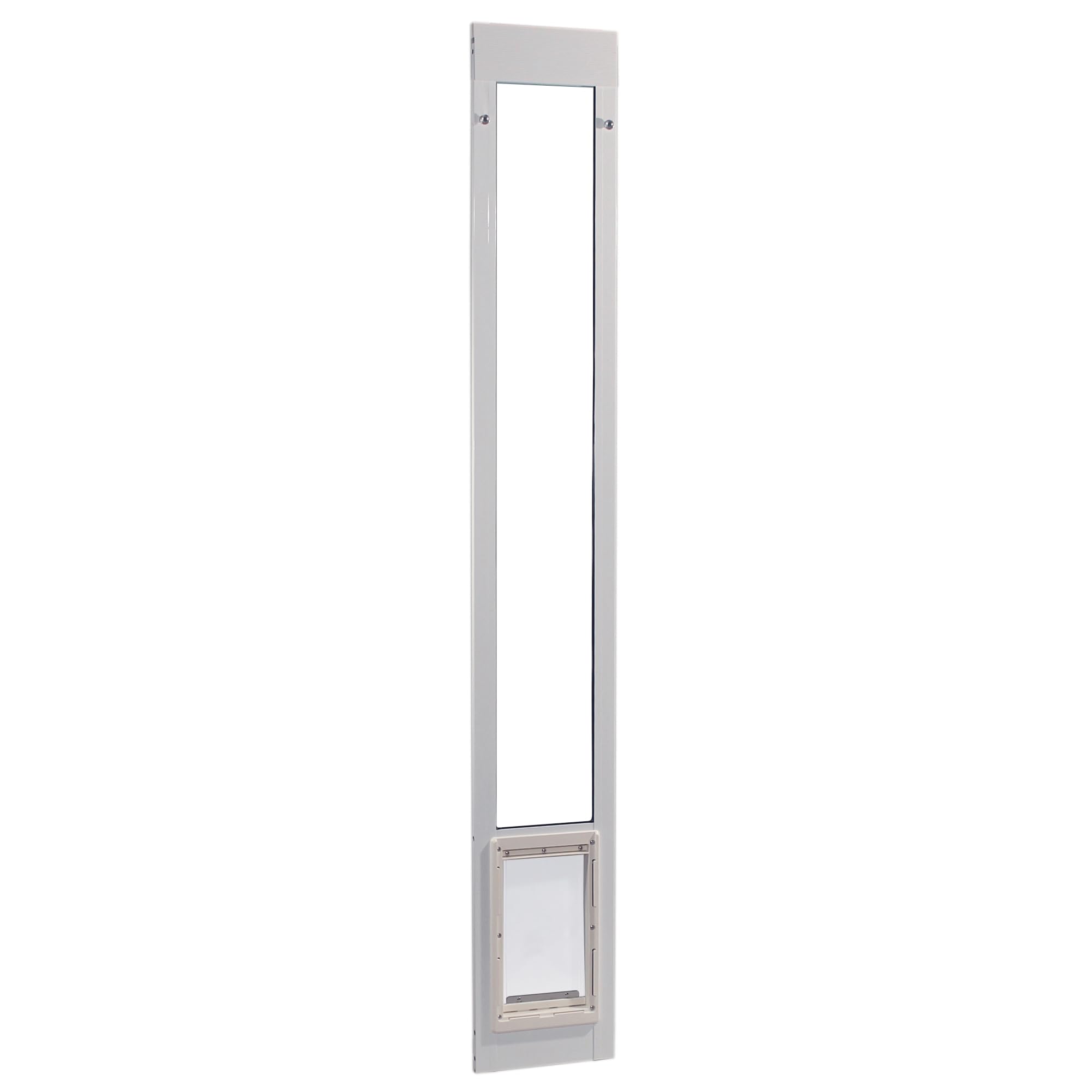
A hundred pounds is the ceiling here, and the flap that gets you there measures 10 1/4 inches wide by 16 3/8 inches high, which is room enough for a Lab or a shepherd to walk through without ducking. The panel adjusts to cover a track between 75 7/8 and 80 11/16 inches, so it spans the standard 80-inch patio slider with a little play at each end for a frame that is not perfectly square.

That combination is why it is the one we point most people to. It arrives as a single assembled panel with the closing panel, latch kit, weatherstripping and screws in the box, so a Saturday morning gets it done without cutting into anything, and the bronze finish is a closer match for most patio frames than the white panels here. Nothing about it is fussy: it slides into the track beside the sliding door and stays put.

The weak spots are weather and wear. One flap over one pane of glass does not hold much against a gust, and the flap can lift off its magnet and let the wind whistle through. Add a strip of foam weatherstripping where the panel meets the jamb and use the closing panel on stormy nights, and the difference is between a draft you notice and one you feel across the room. The springs set into the frame are the other part to keep an eye on, since they carry the load every time the panel goes in.

What settled it for us is how easily the whole thing comes back out. The panel lifts clear of the track in about a minute, so a move, a deep clean, or a month away does not strand it in a house you no longer rent. If storage rather than portability is what you need, the two-piece PetSafe handles that better; for everyone else this is the one.

Bottom line: We recommend it for most dogs and most sliders: the flap clears a big dog, the panel comes out in a minute, and nothing gets cut.
2

Ideal Pet Fast Fit Patio Door

Ideal Pet Fast Fit Patio Door

Small dogs

Our Score 8.6/10
Check Price

Worth Noting

  • Capped at 35 pounds and 7 inches wide
  • Flap lifts in wind and loses its seal
Flap Opening
7 x 11 1/4 in
Dog Weight Limit
35 lb
Doorway Width Used
12 in
Track Height Range
77 5/8 to 80 3/8 in
Read the full review

Seven inches by eleven and a quarter is a genuinely small hole, and that is the whole point. This is the insert for a terrier, a dachshund, a pair of cats, and any household where a big flap would be wasted doorway. Thirty-five pounds is the stated limit, but seven inches is the real constraint, and a stocky dog of that weight can be wider across the chest than the opening allows, so measure before you get attached to the idea.

Height adjusts between 77 5/8 and 80 3/8 inches, and the upper end is where trouble lives. An 80-inch slider should clear, and when this one does not fit it is almost always because the number came off the door panel rather than out of the track. Measure top track to inside bottom track; if you land above 80 inches, look elsewhere in this list. Recessed frames in particular need that measured, not assumed.

Two details we appreciate: the flap sits four inches above the floor, which keeps its bottom edge clear of a wet or gritty track, and the panel weighs about thirteen and a half pounds, light enough to lift out one-handed when you want the doorway back. White aluminum, a clear vinyl flap, nothing that draws the eye against a builder-grade patio door. For a small dog and a modest spend, it is the least fussy thing in this guide.

Bottom line: If your dog fits through a seven-inch flap, this is the tidiest insert here: small, light, and easy to lift out of the way.

3

Petoasis Three-Flap Insert

Petoasis Three-Flap Insert

Tall tracks, wind

Our Score 8.6/10
Check Price

Worth Noting

  • Heavy flap stack for small or old dogs
  • Thin security hatch bends easily
Flap Layers
Three, double magnet
Flap Opening
10 1/4 x 16 in
Doorway Width Used
14 1/4 in
Track Height Range
77 1/2 to 82 in
Read the full review

Three flaps stacked behind each other, with magnets at the bottom of the stack, answers the one problem every insert here shares: a single flap that lifts in the wind and rattles half the night. On a patio that catches every breeze this is the version that stays shut, and it is the detail that makes it worth considering over a cheaper single-flap panel.

It is also the tallest fit in the group. The track recommendation runs 77 1/2 to 82 inches, so an older slider that measures 81 gets covered here when the PetSafe panels run out. Plan for 14 1/4 inches of lost walk-through and check that against your door width before you commit, because that is a real slice of the opening.

All that flap has a cost. The stack is heavy, and a small or elderly dog can find it a genuine push; dogs that balk usually come around once you hold the flaps up for the first few trips. The flaps are opaque too, which makes some dogs hang back, and the thin metal security hatch that covers the opening is the sort of part that stays bent after one hard knock.

Our take: it is the right door for a windy site and a confident medium or large dog, and the wrong one for a dachshund or a twelve-year-old retriever. It is also the newest design here, so treat long-term wear as an open question rather than a settled one.

Bottom line: For an exposed, windy spot and a dog that pushes through anything, the three-flap stack earns its keep.

4

PetSafe Two-Piece Pet Door

PetSafe Two-Piece Pet Door

Renters who move

Our Score 8.4/10
Check Price

Worth Noting

  • Most expensive insert in this group
  • Joint between panels can bow and gap
Flap Opening
10 1/4 x 16 3/8 in
Dog Weight Limit
100 lb
Panel Construction
Two connecting panels
Track Height Range
76.8 to 81 in
Read the full review

Two panels instead of one is the entire reason this costs more than its one-piece sibling, and the difference is storage. Each half is short enough to stand in a closet, and the connecting bar lets the joint come apart, so a door that lives in the track all summer can go out to the garage for winter without a wrestling match.

That is exactly who we recommend it to: the cottage owner, the snowbird, the renter who moves every couple of years. It covers 76.8 to 81 inches of track, a touch more range than the one-piece, and carries the same 10 1/4 by 16 3/8 flap, the same 100-pound rating, tempered glass, and the closing panel and latch kit. Just under twenty pounds is the price of the extra hardware, and it is still a one-person lift.

Assembly is the part that divides people. Screwing the halves together and getting the joint straight takes patience, and the latch instructions are vague enough that you will work it out by trial rather than by reading. Fit the two panels together on the floor before you put them in the track, and tighten the connection last, so a slightly out-of-square frame does not push the joint open.

Bottom line: The two-panel design is worth the premium if the door comes out for winter or moves house with you.

5

VEVOR Sliding Glass Dog Door

VEVOR Sliding Glass Dog Door

Budget setups

Our Score 8.2/10
Check Price

Worth Noting

  • Small flap suits cats and little dogs only
Flap Opening
8 1/4 x 12 1/4 in
Panel Material
Aluminum and tempered glass
Track Height Range
75 7/8 to 80 11/16 in
Read the full review

Start with the manual, because it is the part of this door that will cost you an afternoon. It is short on detail and the diagrams are worse, and the install is simple enough that you can work it out by looking at the parts, but budget for that, especially if you are fitting the panel on your own. Once it is in the track, the frame sits square and the slide-in assembly needs no tools at all.

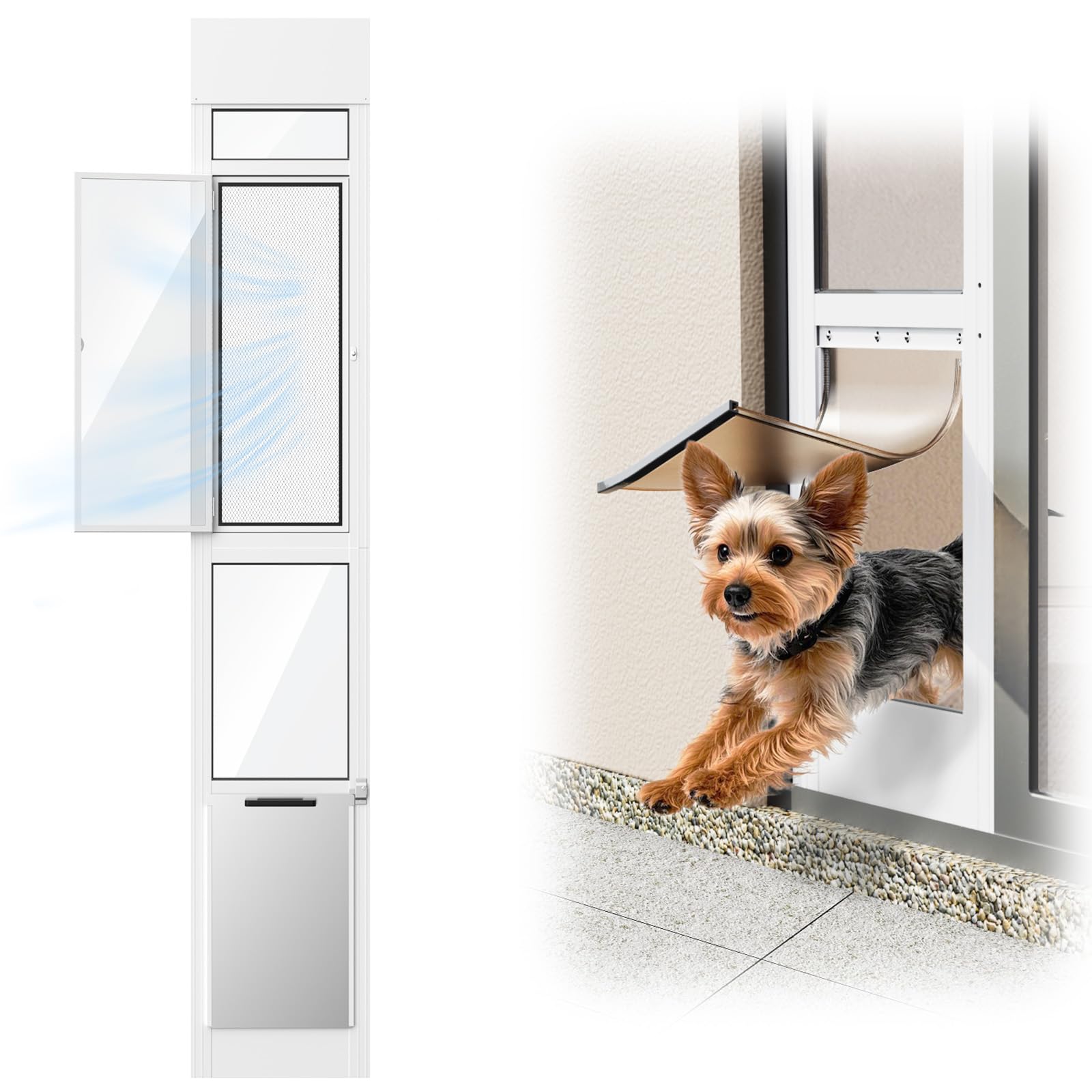
What the money buys is more than we expected: an 8 1/4 by 12 1/4 inch flap for small dogs and cats, the same 75 7/8 to 80 11/16 inch adjustment as our top pick, tempered glass in the upper panel, and a metal cover that slides across to lock the dog in. The revised hinge on the flap matters more than it sounds, because cold weather is exactly when a stiff flap stops closing cleanly.

The catch is sealing. It arrives without weatherstripping, and the gap between panel and jamb will let cold air through until you close it with foam tape, an inexpensive fix that is twenty minutes of work the others here have already done for you. Do that and it is a sensible buy for a cat or a small dog in a mild climate; skip it and you will feel the door on every windy night.

Bottom line: Buy it for a cat or a small dog on a tight budget, and plan on adding your own weatherstripping the same week.

6

Eillion Openable Sliding Door

Eillion Openable Sliding Door

A busy main slider

Our Score 8.2/10
Check Price

Worth Noting

  • Swing direction is fixed when you order
  • Plastic flap cracks under hard use
Flap Opening
10 x 16 in
Dog Weight Limit
100 lb
Doorway Width Used
14.8 in
Track Height Range
75 7/8 to 81 in
Read the full review

Most inserts turn part of your doorway into a wall. This one hinges. The pet panel swings inward so the opening you gave up comes back when you are hauling a laundry basket, dragging a cooler through, or moving furniture, and that is a feature worth paying for in a house where the patio slider is a real door rather than the dog's private exit.

The rest of the numbers hold up. It covers 75 7/8 to 81 inches of track, takes a 10 by 16 inch flap and a dog up to 100 pounds, and uses an aluminum frame with a glass panel and a slide lock. It also removes the most from your walk-through of anything here at 14.8 inches, which is the trade you are making, and the swing is what makes that trade tolerable.

Ordering is where people get caught out. The swing direction is fixed, and which way it opens depends on whether you mount it left or right of the sliding panel, so look at your door and decide before you buy. On some sliders the existing handle has to come off for the insert to sit flush, and the instructions say little about your particular frame. The flap itself runs on a single magnet along the bottom edge, so a gust across an exposed patio can peel it up.

For a busy main door we think the swing justifies the fiddling, and the all-metal frame feels like the most substantial thing in this group. Just know which part is the wear item: it is the flap, and it is the piece that cracks first under a dog that hits it at speed.

Bottom line: Our pick when the slider is a working door: swing the pet panel aside and the opening is yours again.

7

FurrFinesse Screen Window Insert

FurrFinesse Screen Window Insert

Small dogs, fresh air

Our Score 8.2/10
Check Price

Worth Noting

  • Capped at 30 pounds
Ventilation
Screened window
Dog Weight Limit
30 lb
Track Height Range
75 3/5 to 80 in
Read the full review

The reason to pick this one is the little screened window above the flap. Open it and the insert ventilates instead of sealing your only bit of outside air behind glass, which is a real difference in a stuffy apartment or a room that bakes in July. For a dog up to thirty pounds, a panel that doubles as a window is a smarter use of the track than another plain sheet of aluminum.

The limits come with the trade. Thirty pounds is the lowest ceiling here, so a Labrador is out regardless of how well the rest of it suits the room, and the panel eats into the walk-through enough that getting past it with an armful of groceries is a squeeze. The screen is an opening, too, so in wind and cold you are back to a draft, and the screws holding the flap and screen frame are the smallest in this group and the first thing to strip if you overtighten. Fit it once, gently, and leave it alone.

Bottom line: The screen window makes this the friendliest insert for a small dog and a warm, stuffy room.

8

WANGXINGREN Sliding Door Insert

WANGXINGREN Sliding Door Insert

Budget large dogs

Our Score 8.0/10
Check Price

Worth Noting

  • Track range stops at 80 inches
  • Little history behind the design
Flap Opening
10 1/5 x 16 1/2 in
Dog Weight Limit
75 lb
Track Height Range
75 3/5 to 80 in
Read the full review

Eighty inches is the hard ceiling here. The panel adjusts from 75 3/5 up to 80 and stops there, while most of this group reaches 80 11/16 or beyond, so if your track measures 80 1/4 you are out of luck before you have read anything else about it. Measure first; this is not the one to buy hopefully.

Below that line it is a fair amount of door for the money: a 10 1/5 by 16 1/2 inch flap that is bigger than the budget VEVOR's, a 75-pound dog rating, an aluminum frame, magnetic closure, and a white finish that matches builder-grade sliders. The 1.5-inch tolerance on the frame channel is generous for a deep track, which is where a lot of inserts quietly give up.

We treat it as a wildcard. The design is new, the paperwork is thin on diagrams, and a flap on this pattern can start to split within a few months under a dog that hits it hard, so we want more history before pushing it ahead of the PetSafe. If your track is under eighty inches and the difference in price matters, it is a reasonable bet, and the flap is the inexpensive part to replace when it goes.

Bottom line: A fair-weather value for a big dog, provided your track measures under eighty inches and you can live with an unproven design.

How We Picked and Tested Sliding Glass Dog Doors

We started by pulling every panel we could find and comparing the numbers that decide whether one actually works in your house: the range of opening heights it adjusts to, the flap opening's width and height, and whether the frame has to be screwed into the jamb or just tensioned into the track. That filter cut the field fast, since plenty of panels top out at 78 inches or come in a single flap size. We kept 11 across a spread of prices and installed them in testers' back doors, where they stayed for eight months.

Every panel went in the same way: one person, a screwdriver, and a stopwatch, then the sliding door opened and closed a dozen times to see whether the panel shifted or the lock still lined up. The dogs on the other end ranged from a 12-pound terrier to a 90-pound shepherd mix, so we could watch a small dog push a stiff flap and a big one hit it at a run. We noted whether the flap swung freely or dragged, whether it settled back flat on its own, and whether a dog could nose it open from the outside.

Sealing got its own checks: a tissue held at the corners of the panel on a windy day, a garden hose run across the bottom edge, and a stretch of rain blowing straight at the flap. Over the eight months we watched for yellowing, cracking along the hinge line, scratched panels, and dogs shouldering or chewing a flap until it warped. Ease of use counted too, meaning whether the panel lifted out for cleaning or a party and whether the leftover opening was still wide enough to carry groceries through. Value came down to what shipped in the box: an extender, a locking bar, a second flap size.

How to Choose the Right Dog Door for a Sliding Glass Door

Measure Inside the Track, Not the Door

Open the slider and measure from the top of the upper track to the inside bottom of the lower track, not the height of the glass panel. That figure is what the insert has to span, and it is why two neighbors with identical-looking sliders end up with different doors. The panels here adjust across ranges of roughly 75 1/2 to 82 inches, and a fit works best when your number lands a little inside the ends rather than exactly on one.

Frames differ too. Exposed and recessed tracks take different hardware, and a panel that sits an inch proud of the frame leaves a gap no amount of weatherstripping will close. If your track measures over 82 inches, none of these inserts covers it without a filler.

Size the Flap by Chest, Not by Weight

The weight ratings here run from 30 to 100 pounds, but the opening is the fact that matters: the smallest flap in this group is 7 inches wide, the largest 10 1/4, and a broad-chested dog can be turned away by the first while a lean one slips through the second. Measure shoulder height and the widest part of the chest, add an inch, and compare that to the flap.

A dog ducking slightly as it learns is normal. A dog that has to squeeze is not, since a tight flap gets hit harder and wears out faster.

Count the Doorway You Give Up

Every insert sits in the track beside the sliding panel and takes 12 to 15 inches out of your clear opening. On a wide slider that still leaves a comfortable path for people; on a narrow one it leaves less than you expect, and you find out while carrying something heavy. Stand at the door, hold a tape at the width you stand to lose, and look at it honestly.

Swing-panel designs solve this at the cost of a more involved install, and they earn it only if people really do walk through this door every day. Otherwise a fixed panel is simpler and less expensive.

Single Flap or Three: Match the Weather

One flap over a single pane is the standard build and it is fine in a mild climate. Wind is the enemy: a light flap lifts off its magnet and rattles, and a single pane does little to slow heat moving through. Three-flap stacks with double magnets hold far better in a gust, but the stack is heavy, and a small or arthritic dog may refuse to push it.

No insert makes a slider as tight as a closed door, so treat weatherstripping as a wear item you replace every year or two and use the closing panel on the worst nights. Where winters bite, put the money into the multi-flap design rather than into a bigger opening.

Locking and What Comes in the Box

Most of these ship with a closing panel that slides over the flap to keep the dog in, plus a latch or bar that secures the sliding panel. Check what is actually included, because several inserts supply part of that hardware and not the rest, and a panel sitting in the track changes how your original lock engages.

Once it is in, push the slider against the insert and try to lift the panel out of the track. If it comes up, the sliding door is not holding it and you need the latch kit fitted.

Frequently Asked Questions

Final Verdict

The PetSafe one-piece is our default because it covers the everyday case: a standard 80-inch slider, a dog up to 100 pounds, and a panel that lifts out again in about a minute. If you have been putting this off because you rent, that is the one to order.

Two requirements change the answer. A dog under 35 pounds gets a tidier fit from the Ideal, and a slider that people walk through all day is worth the Eillion's swing panel and its fussier install.