Collars & Leashes

Best Dog Walking Bags of 2026

A dog walk is supposed to be the easy part of the day — the leash jingles, the dog trots out ahead, and you get twenty quiet minutes of neighborhood air. Then you need a treat, a bag, your keys, and your phone, all while one arm is being pulled toward a squirrel. I've done that juggling act with treats loose in a jacket pocket and a roll of bags wedged into my back jeans pocket, and it turns a pleasant loop into a scramble. A dedicated walking bag is what makes those trips feel like actual walks again.

What separates a good one from a nuisance comes down to small things: a magnetic closure you can work with one hand, pockets that keep treats from grinding against your phone screen, and a strap or belt clip that stays put when your dog lurches sideways. My team and I have spent the last six months walking, hiking, and training with 12 bags, from featherweight hip pouches to roomier crossbody options. One thing I'd tell a first-time buyer: bags sized to carry everything are usually the ones that end up swinging against your leg with a full water bottle in them, so think about the walk you actually take.

1

Ruffwear Treat Trader

Top Pick
Ruffwear Treat Trader

Precision training

Our Score 9.6/10
Check Price

Worth Noting

  • No built-in waste-bag dispenser
Lining
Waterproof food-grade
Pockets
Zippered outer pocket
Waist Range
30–48 in
Carry Options
Waist belt or clip
Read the full review

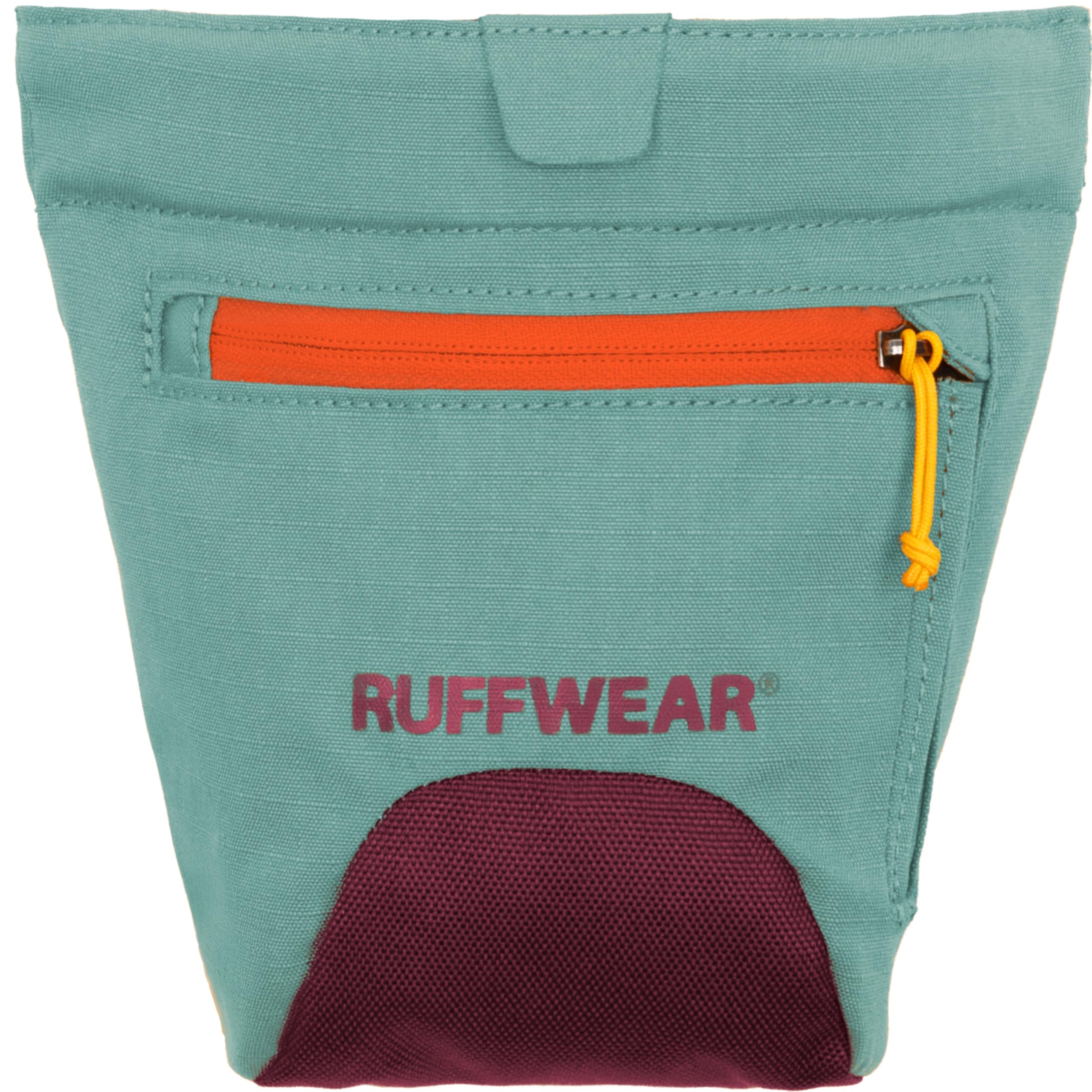
The moldable rim is the first thing we noticed about the Treat Trader. It bends to sit against your hip and keeps the opening poised for a hand, which is a more thoughtful detail than a plain fabric pouch. The shell is durable, the lining is waterproof and food-grade, and the magnetic closure gives an audible cue when it snaps shut. The waist belt adjusts from 30 to 48 inches, and there is a belt clip for days when you leave the strap behind.

One-handed access is the point of a training pouch, and the Treat Trader is built around it. The magnetic opening is quick to work, but it also stays closed when you are not reaching in, so treats do not end up in the grass. The wipe-clean lining matters more than it sounds: switching from liver treats to kibble leaves a residue, and a liner you can wipe down keeps the next session from smelling like the last one.

The zippered outer pocket is sized for a key fob or a roll of waste bags, not a phone and water bottle. That is fine for a training session, but it means this is not the bag for a long, gear-heavy walk. The clicker loop is a nice touch for people who train with one; it keeps the clicker where your hand expects it.

For focused training, this is the premium choice. The moldable rim, audible magnet, and cleanable liner are the details that justify the step up, and they are the parts you notice every time you reach for a reward. If you want one bag for the whole walk, the larger PetAmi is the better fit. It is the pouch that makes a training session feel deliberate.

Bottom line: The premium training pouch we recommend when clean, precise reward delivery matters more than carrying a full walk kit.
2

Wilderdog Mega Hip Pack

Wilderdog Mega Hip Pack

Long walks

Our Score 9.4/10
Check Price

Worth Noting

  • Zippered treat access is slower
Pockets
5
Capacity
3 L
Waist Range
26–55 in
Bottle Pockets
Two mesh holders
Read the full review

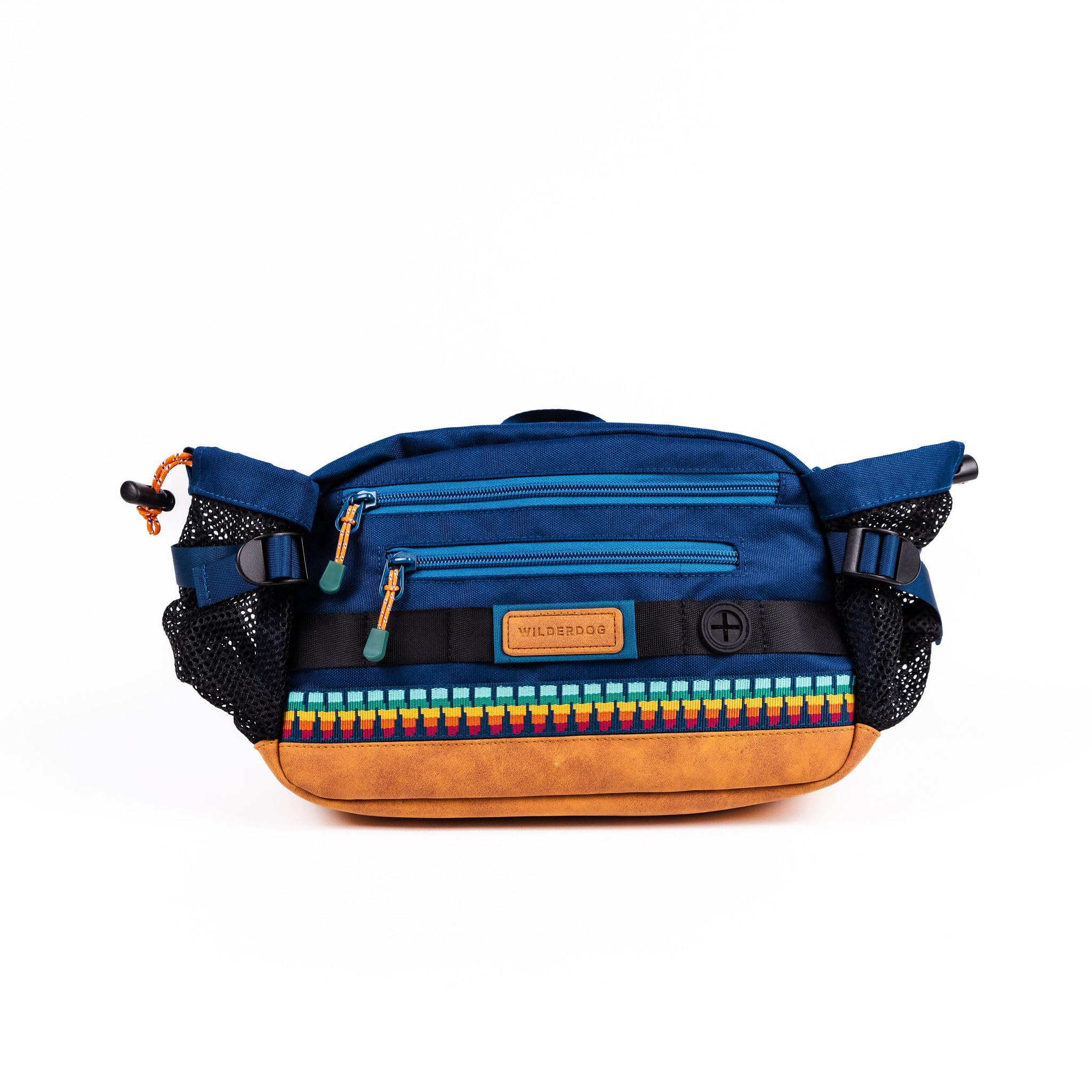
The pair of mesh bottle pockets is what sets the Mega Hip Pack apart. One bottle for you and one for the dog is a realistic setup on a hot day, and the 3-liter body has enough room for treats, waste bags, keys, and a light layer. We reach for this one when the walk is the outing, not just a bathroom break. It is the most capable long-walk bag in this group, and the dual bottle holders are the reason.

The waist strap runs from 26 to 55 inches, which covers a wide range of bodies and layers, and the five pockets keep the load from turning into a jumble. The built-in poop-bag dispenser sits on the outside, and the D-ring gives you a place to hang a bowl or a used-bag carrier. We like that the organization is built around walking rather than training: there is a place for water, a place for waste, and a place for the small stuff.

The Mega is at its best when you are out for an hour or more with water and a bowl. The 3-liter capacity is more than a quick block walk needs, but that extra room is what makes the bottle pockets useful. For a long, hot walk, the space and the second bottle are worth the size.

Bottom line: The long-walk pick: two bottle pockets and three liters of space make it the one to take when the dog is out for longer than the block.

3

Gobeigo Magnetic Treat Pouch

Gobeigo Magnetic Treat Pouch

Budget training

Our Score 9.4/10
Check Price

Worth Noting

  • Not a full walking bag for phone and water
Included
Training clicker
Dimensions
6.5 x 2 x 5.5 in
Waist Range
25–47 in
Treat Capacity
2 cups
Read the full review

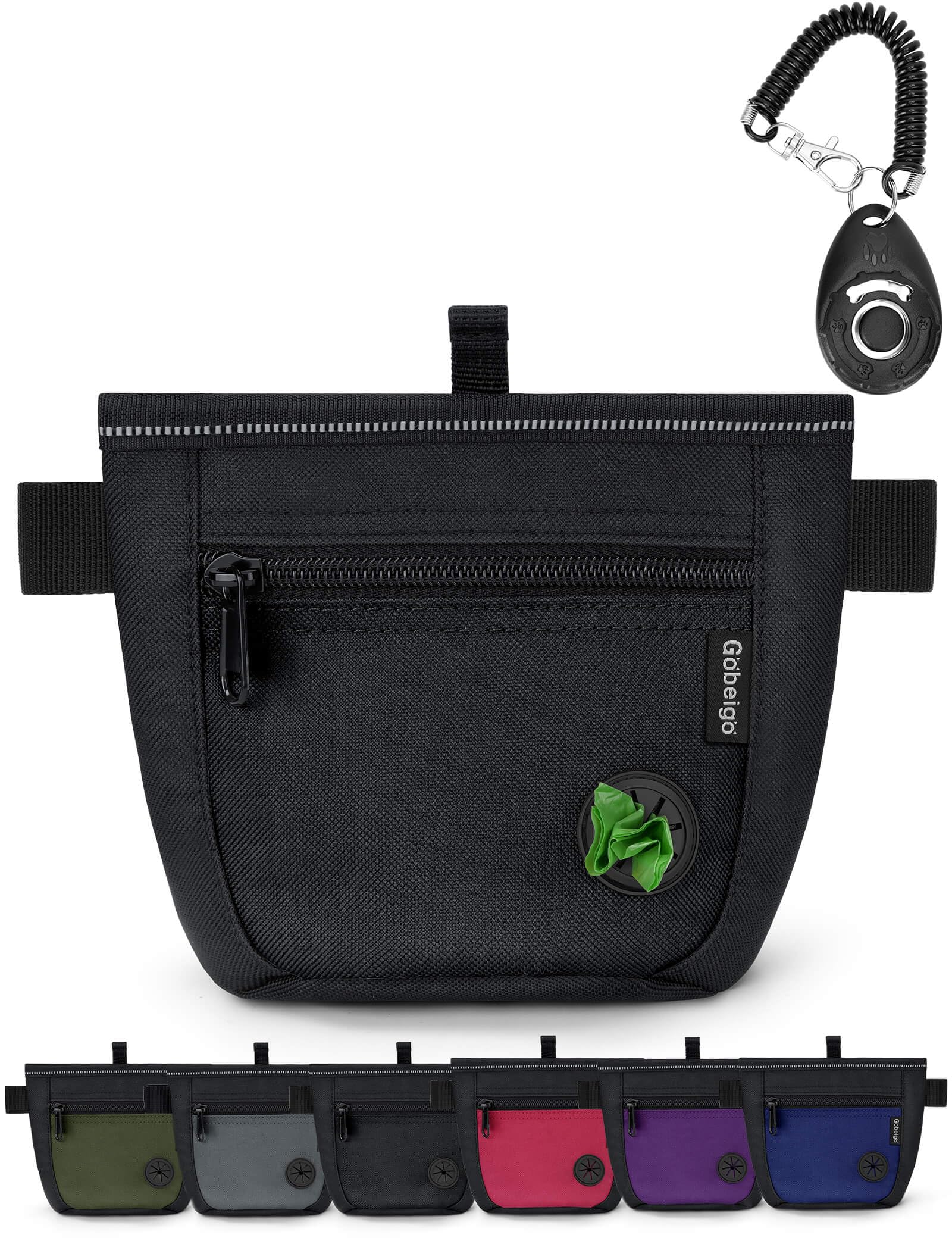
The clicker in the box is a small thing, but it changes the value of the Gobeigo pouch. You get a two-cup treat bin with two pairs of magnets, a waist belt that adjusts from 25 to 47 inches, and a metal clip for a belt loop, all in a body that measures 6.5 by 2 by 5.5 inches. It is compact enough to forget you are wearing it, but the main compartment still holds more treats than a silicone pocket pouch.

The magnet is the main event. Two pairs hold the opening shut, and the flaps separate easily when you reach in, so the bag is designed for one-handed rewards without a zipper or drawstring. The front zipper pocket has a waste-bag outlet, and the lining is water resistant enough to wipe down after a messy treat. We like that the clicker is included rather than sold separately; it is one less thing to remember.

For a new puppy or a short training walk, this is a strong budget choice. The main bin holds enough treats for a session, the front pocket keeps waste bags separate, and the belt or clip keeps your hands free. The included clicker is the detail that makes it feel like a starter kit rather than just another bag. It is the kind of pouch we keep by the door for quick sessions.

Bottom line: A strong budget training pouch with a secure two-cup bin, a clicker, and waste-bag storage in one compact package.

4

PetAmi Hands-Free Treat Pouch

PetAmi Hands-Free Treat Pouch

Everyday walks

Our Score 9.2/10
Check Price

Worth Noting

  • Bulkier than a minimal treat pouch
Carry Options
Waist, crossbody, shoulder
Pouch Expansion
3.5 in
Main Compartment
7 x 6.8 x 2.5 in
Waste Bag Holder
Built-in dispenser
Read the full review

The three carry options are what make the PetAmi pouch our default. You can wear it around the waist, across the body, or over the shoulder, so it adapts to a light summer walk or a jacket-heavy morning. The main compartment measures 7 by 6.8 by 2.5 inches and expands by another 3.5 inches, which is enough for a real handful of treats, a toy, and a small zippered pouch for keys or cards. That combination earns it the top spot: this is the one bag here that feels like a complete walking kit rather than a single-purpose treat bin.

We appreciate the built-in poop-bag dispenser and the mesh front pocket. The dispenser keeps a roll ready without turning the bag upside down, and the mesh pocket gives you a place for the roll or a clicker. The drawstring top gathers the opening closed instead of leaving a wide mouth that spills kibble with every step. It is a softer, roomier shape than a compact magnet pouch, so it settles against the hip instead of sitting rigidly.

The capacity is the reason to choose it over a small training pouch: it can swallow a phone, keys, and a few extra bags without becoming a backpack. We reach for it when the walk includes errands and a coffee stop, because the crossbody strap leaves both hands free. The expandable section is the detail that seals it: it turns a treat pouch into a walking bag without adding a second piece of gear.

Bottom line: Our default for everyday walks: the best balance here of treat room, small-item storage, and hands-free carry options, with waste bags built in.

5

Mighty Paw Treat Pouch 2.0

Mighty Paw Treat Pouch 2.0

Structured storage

Our Score 9.2/10
Check Price

Worth Noting

  • Bulkier than a pocket treat pouch
Strap Range
30–52 in
Compartments
4
Treat Capacity
2 cups
Waste Bag Holder
Built-in side holder
Read the full review

Four separate compartments is more structure than most pouches in this group offer. The Mighty Paw puts a two-cup main bin alongside a zippered pocket, a dedicated waste-bag holder, and room for a phone or keys, all in a 7 by 5 by 2.5 inch body. The difference shows up when you are carrying a clicker, a spare roll, and a house key at the same time: nothing has to share a compartment with the treats.

That organization is why this is our pick for structured storage. The twin magnets close the treat opening with a firm snap, so kibble stays in when the bag swings against your hip. The belt sling and metal clip give you waist, crossbody, shoulder, or belt-loop carry, which is more flexibility than most walkers need but useful if you switch coats or share the bag.

The magnet is strong, and the flap snaps back with a firm click. A pouch with a softer opening is faster for rapid-fire rewards, while this one is better when you want the treats to stay put between cues. For a training session with more gear than treats, this is the one we choose.

Bottom line: The most organized pouch here: four compartments keep treats, waste bags, and small essentials from becoming one messy pile.

6

Wilderdog Utility Fanny Pack

Wilderdog Utility Fanny Pack

Everyday crossbody

Our Score 9.2/10
Check Price

Worth Noting

  • Zippered treat pocket slows access
Pockets
3
Capacity
2.5 L
Dimensions
10 x 6 x 2 in
Waist Range
33–48 in
Read the full review

The Utility Fanny Pack is the one in this group that looks most like a regular crossbody bag. It measures 10 by 6 by 2 inches and holds about 2.5 liters across three pockets, with a built-in poop-bag dispenser and stitched webbing loops for a carabiner or a small bowl. The adjustable strap runs from 33 to 48 inches and lets you wear it around the waist or across the body.

The organization is the draw. The largest pocket can take a collapsible bottle or a phone, while a separate pocket keeps treats away from the rest of your gear. We like the webbing loops more than we expected: they give you a place to clip a used-bag carrier or a clicker without digging into a pocket. The water-resistant polyester is easy to wipe down after a muddy walk.

For errands and neighborhood walks, this is the bag that feels like a purse first and a dog bag second. It does not have the structured compartments of the Mighty Paw or the bottle capacity of the Mega Hip Pack, but it is easier to wear all day. The slim shape is the reason: it sits close to the body and does not turn a short walk into a packing exercise.

Bottom line: The slim crossbody pick for everyday walks: enough room for treats, a phone, and waste bags without looking like a training bag.

7

OllyDog Goodie Treat Bag

OllyDog Goodie Treat Bag

Compact training

Our Score 9.2/10
Check Price

Worth Noting

  • Too small for phone and water
Closure
Magnetic
Warranty
Lifetime
Waist Range
Up to 52 in
Carry Options
Waist, clip, belt loop
Read the full review

The Goodie is the smallest bag in this group, and that is exactly why it earns a place. It is designed to sit on a waist belt or clip to a belt loop, with a magnetic closure that opens with one hand and snaps shut again. The recycled, water-resistant fabric wipes down, and the lifetime warranty is unusually strong for a bag this size. You can wear it around the waist with the included belt or leave the belt at home and clip it to your jeans.

We like it as a clip-on for short sessions. It holds a handful of treats and a key or two, and it stays out of the way when you are working on heel or recall. The magnetic opening is the right choice here: a zipper would slow you down, and a drawstring would be more fuss than a compact pouch needs. For a dog that works for food, quick access matters more than a big compartment.

The trade-off is specialization, but the details are what keep it in the rotation. The recycled fabric and the warranty are what make it feel more considered than the cheap pouches it competes with. The clip is the detail we appreciate most: it lets you leave the waist belt at home and still keep the pouch within reach.

Bottom line: A light, secure clip-on for short training walks, with a magnetic opening and a lifetime warranty.

8

Cleverpup Walk & Train Bag

Cleverpup Walk & Train Bag

Organized walks

Our Score 8.8/10
Check Price

Worth Noting

  • 39-inch strap can be short for crossbody
Pockets
7
Dimensions
11 x 7 x 2 in
Carry Options
Waist or crossbody
Treat Pocket Lining
Food-safe, non-porous
Read the full review

Seven pockets is a lot for a dog bag, and the Cleverpup uses them well. The 11 by 7 by 2 inch body has a dedicated food-safe treat compartment with a non-porous liner, a waste-bag holder, and enough separate storage for a phone, keys, wallet, and a ball. The woven polyester is weather resistant, and the vegan leather accents give it a more finished look than the nylon pouches here.

The treat pocket is the detail that makes the organization work. It keeps crumbs and grease away from the phone pocket, and the liner wipes clean without turning the whole bag into a laundry project. We like that the bag converts from a waist pack to a crossbody sling; the strap has anti-slip tension buckles, so it stays where you set it. For a long walk that includes a coffee stop, that flexibility is useful.

The pocket count comes with a little more structure than a simple treat pouch, and the bag sits higher on the hip than a soft nylon sack. That is a fair trade for the organization: you can reach for a waste bag without moving your phone, and the treats stay in their own compartment. The crossbody mode is the one we prefer when the bag is fully loaded, because it balances the weight across the body.

This is the premium organizer for the person who wants one bag for dog and human stuff. It is the most organized bag in this group, and the separate treat compartment is the detail that keeps the rest of your gear clean. If your walks double as errands, the extra compartments earn their keep.

Bottom line: The best organizer here for people who want one bag for dog gear and human essentials, with a treat pocket that wipes clean.

How We Put 12 Dog Walking Bags Through Six Months of Walks

We started by gathering everything we could find in the category — bags from brands we already know and trust, plus a handful that kept rising to the top of customer reviews — and then filtered by how people actually walk. Waist belts and belt clips for hands-free runners, crossbody straps for longer hikes, and small hip pouches for quick training sessions. That cut the list to 12 bags, ranging from slim treat pouches to larger options with separate pocketed sections for waste bags, keys, and a phone, and we noted how many pockets each one actually delivered versus how many it claimed.

For six months, those bags went on real walks rather than a lab bench. I loaded each one with the same kit — a cup of treats, a phone, keys, and a roll of waste bags — then walked the same routes and paid attention to what my hands had to do. With the leash in one hand, I reached for treats and noted whether the magnetic closure popped open on its own or took two hands and a tug. After every walk, I checked whether treat crumbs had migrated into the phone pocket and whether the waste bag slot was easy to find in a hurry.

Fit got its own round of testing, since a bag that rides up or flops to one side is worse than no bag at all. I clipped each belt-clip model to jeans, leggings, and running shorts, jogged the last block home, and noted whether the clip held or slid around; on belt and crossbody bags, I adjusted the strap mid-walk with the dog pulling and watched whether it stayed where I set it. I also packed each bag full and empty to see how much its shape changed once a water bottle went in — the ones that kept their structure were the ones still comfortable after a two-mile hike, not just a loop around the block.

How to Choose Dog Walking Bags

Decide What the Bag Has to Carry

Start with the phone and water question. A compact treat pouch is enough for a training walk with kibble, keys, and a roll of bags; if you routinely carry a phone, a collapsible bowl, or a bottle, you need a larger hip pack or crossbody with divided pockets. The PetAmi hands-free pouch is the roomy all-rounder here, while the OllyDog Goodie is the compact training alternative. Treat capacity matters too: two cups is a long session, while a smaller bin is easier to wear. Do not buy a 3-liter pack for five-minute walks unless you actually need the water.

Choose the Closure Before the Pocket Count

Magnetic closures are the best match for training because they open and close with one hand and usually stay shut when you bend over. The trade-off is that a strong magnet can be stiff, and a soft one can spill. Zippered bags are more secure for travel and for carrying a phone, but slower when you are marking and rewarding. Drawstrings sit in the middle: good for keeping kibble contained, less quick than a magnet. If you train in short bursts, put one-hand access first; if you mostly walk, secure storage matters more.

Check the Fit and Carry Options

A waist belt is the most stable option for a loaded bag, but the strap range has to match your body and your layers. A 26-to-55-inch strap is generous; a 39-inch strap can be tight across a winter coat. Crossbody carry takes weight off the hip and is easier on long walks, while a belt clip is handy for a quick training session. Look for a wide, padded strap if you carry water, and a clip that closes securely if you plan to attach the bag to a belt loop.

Plan for Waste Bags, Cleaning, and Wear Points

A built-in waste-bag dispenser keeps a roll from migrating to the bottom of the bag, and a separate pocket for full bags is worth having if you walk in areas without bins. Wipeable linings matter more with moist treats; food-grade silicone or a waterproof liner is easier to clean than plain fabric. Check the buckle, clip, and attachment points before you load the bag. Those are the parts that take the strain when a dog pulls, and a secure leash attachment belongs on a collar or harness, not on the bag itself.

Frequently Asked Questions

Final Verdict

If you want one bag for everyday walks, start with the PetAmi Hands-Free Treat Pouch. It carries more than a treat bin, stays hands-free in three ways, and keeps waste bags within reach without turning the walk into a packing exercise. For long walks with water, the Wilderdog Mega Hip Pack is the better choice; its two bottle pockets and 3-liter capacity are worth the extra size. For a short training session, a compact pouch like the OllyDog Goodie is all you need.