Training & Behavior

Best Wireless Dog Fences of 2026

A wireless dog fence sounds like a magic trick: no trench, no wire, just a boundary you draw and a collar that reminds your dog where it is. The catch is that the boundary has to hold in rain, after a battery swap, and when a squirrel breaks the agreement. I have watched dogs test a line the way kids test bedtime—one inch at a time—so I care less about flashy maps and more about whether the system warns early, corrects fairly, and stays put.

Over eight months, I lived with ten wireless fence systems, from compact kits to multi-dog setups. We paid attention to what shoppers ask about: whether the collar fits a small or broad neck, how long the battery lasts, how much fence drift appears after weather, whether the boundary map is customizable, and whether a shock correction feels proportionate or startling. Ease of use and build quality mattered, too; if setup took an afternoon and a second person, it lost points. The picks below made boundary training feel less like a science experiment and more like a routine.

1

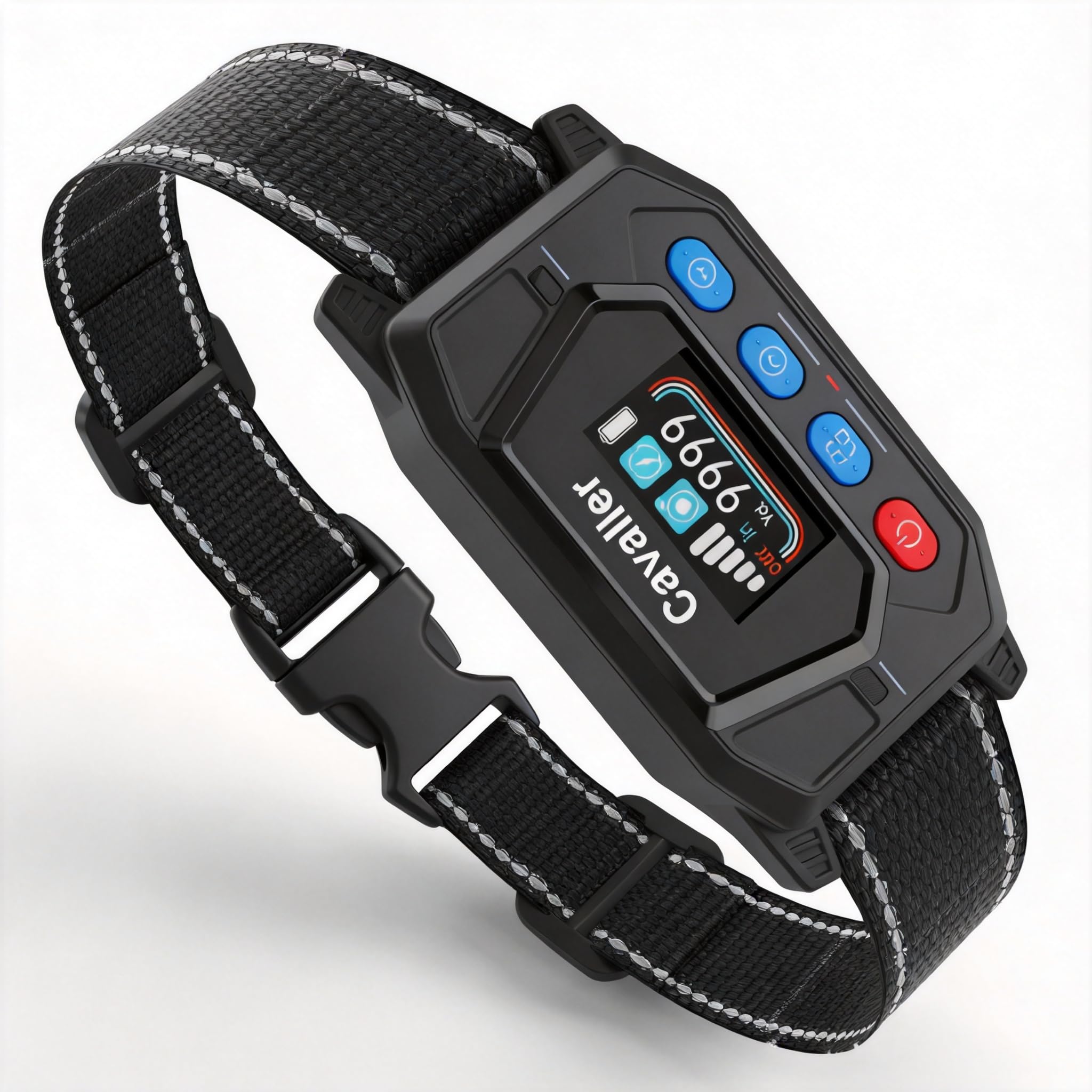
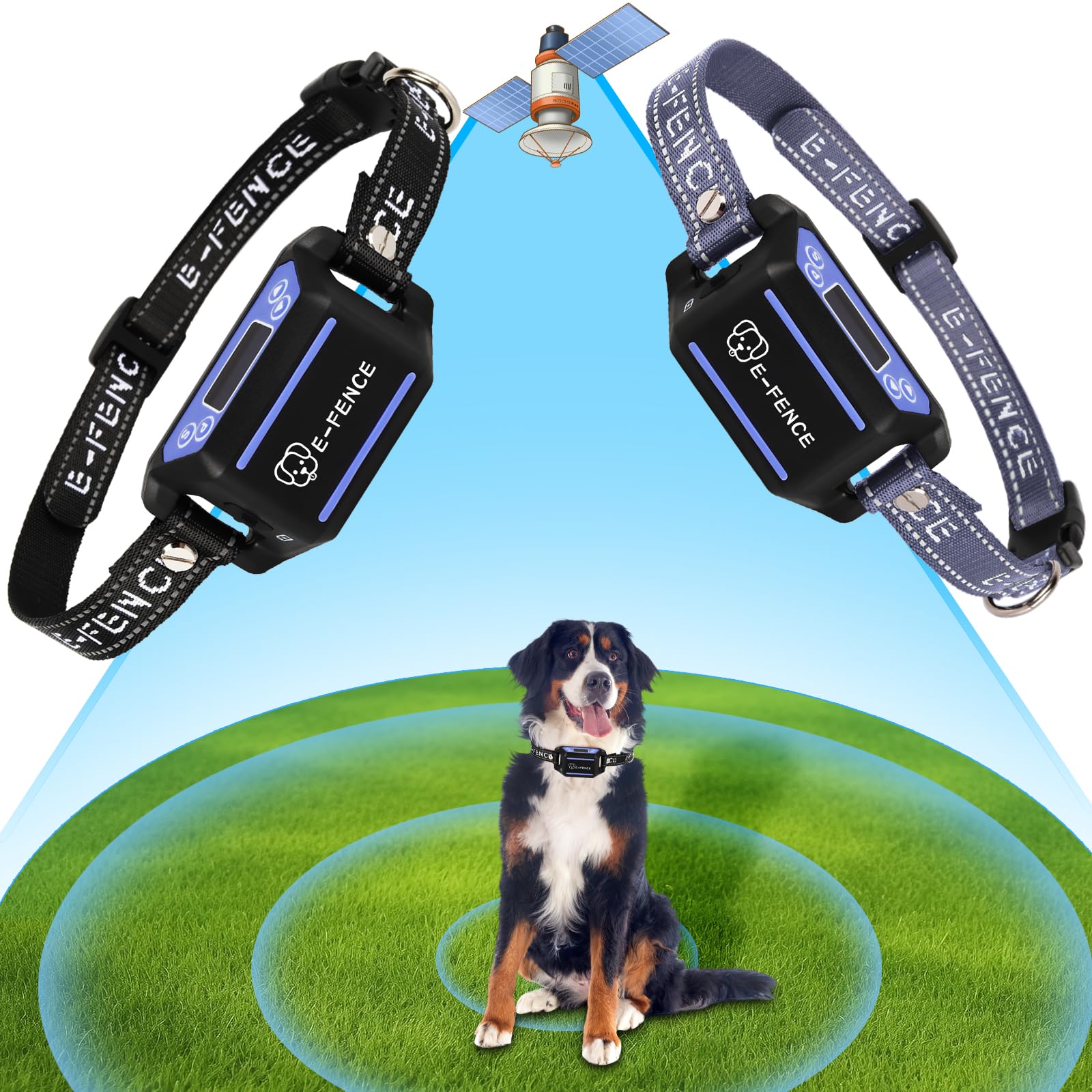
E-FENCE GPS Fence Collar

Top Pick
E-FENCE GPS Fence Collar

Activity tracking

Our Score 9.8/10
Check Price

Worth Noting

  • Circular radius only
Battery
Up to 48 hours
Coverage
65–3,280 ft radius
Monitoring
Heart rate, temperature, steps
Waterproof
Waterproof collar
Read the full review

The E-FENCE does something the other systems here don't: it reports heart rate, body temperature, and step count in addition to holding a GPS boundary. That's not why you buy a fence, but it's a useful extra if you already like keeping an eye on your dog's activity.

The containment side is straightforward. You set a radius from 65 to 3,280 feet in 10-foot steps using physical buttons, with no app, Wi-Fi, or subscription. The collar is waterproof and rated for up to 48 hours, and it stores the boundary setting.

We like the physical controls for travel and for anyone who doesn't want a phone in the loop. The trade-off is that a button-and-screen setup is less visual than a map-based app; you're setting a radius, not drawing a shape. That's fine for an open backyard, but it won't trace a driveway or a garden bed.

The health readouts are the reason to consider it over a plain GPS fence, but we treat them as activity data, not veterinary information. If you want a simple radius fence with no app and you'll use the extra tracking, it's worth a look; if you need custom-shaped boundaries, it isn't the right tool.

Bottom line: We recommend the E-FENCE for a no-app GPS boundary with activity tracking, as long as a simple radius fits your yard.
2

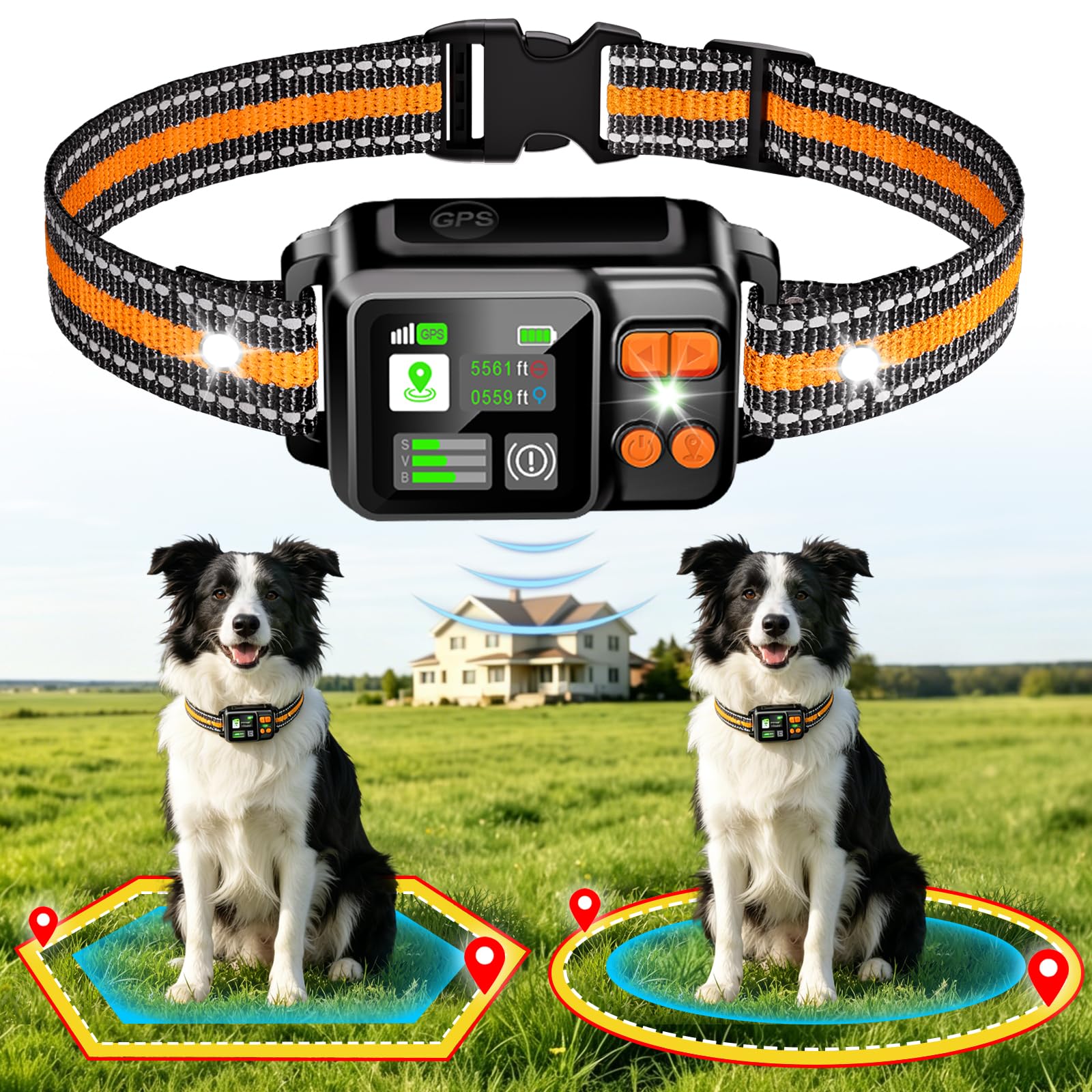
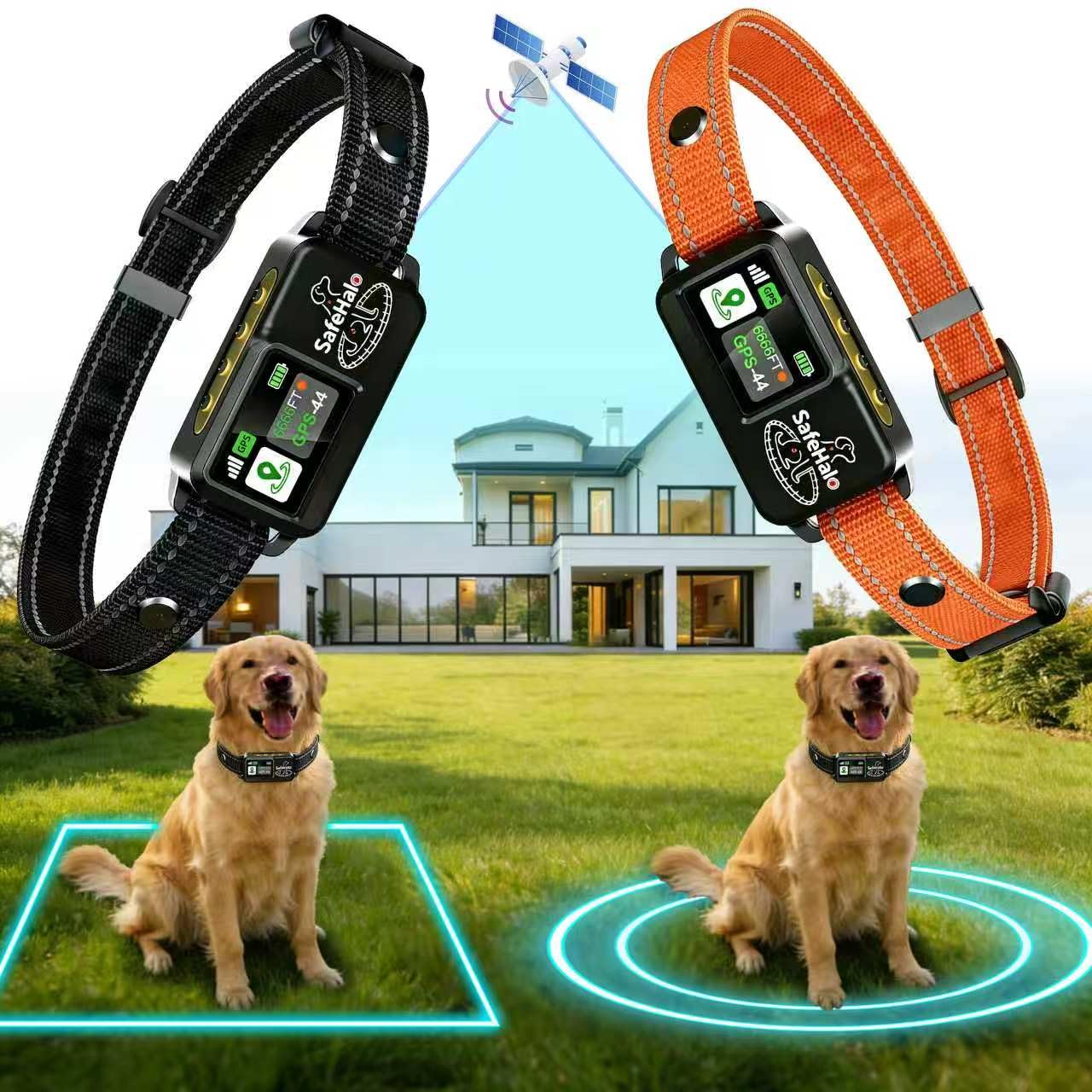
Safehalo 2-Dog GPS Fence

Safehalo 2-Dog GPS Fence

Custom two-dog

Our Score 9.6/10
Check Price

Worth Noting

  • More setup than a plug-in radio fence
Collar
IPX7, up to 48 hours
Boundary
Circular + custom-shaped
Coverage
65–9,840 ft circular
Dogs Included
2 independent collars
Read the full review

Giving two dogs different boundaries is the problem the Safehalo solves. Each collar stores its own fence and its own warning setup, so a confident dog can have the full yard while a puppy or a wanderer stays in a smaller zone. That's a more useful kind of two-dog system than simply putting two receivers in the box.

The spec sheet is unusually complete: circular boundaries from 65 to 9,840 feet, custom-shaped fences, GPS/GLONASS/Galileo positioning, IPX7 waterproof collars, and up to 48 hours of battery. We like that each collar has fence memory, because a lost setting midweek is exactly when a containment system becomes unreliable. The two collars work independently, so one dog's correction level doesn't have to match the other's.

The trade-off is that this is a newer design, so the first weeks of boundary testing matter more than they do with a plug-in box. Plan to test each collar separately with flags and a leash before trusting both dogs to it. If you need separate zones for two dogs and you're willing to put in that setup time, it's the most interesting two-dog GPS pick here.

Bottom line: For two dogs that need different boundaries, we recommend the Safehalo because each collar saves its own fence and warning settings.

3

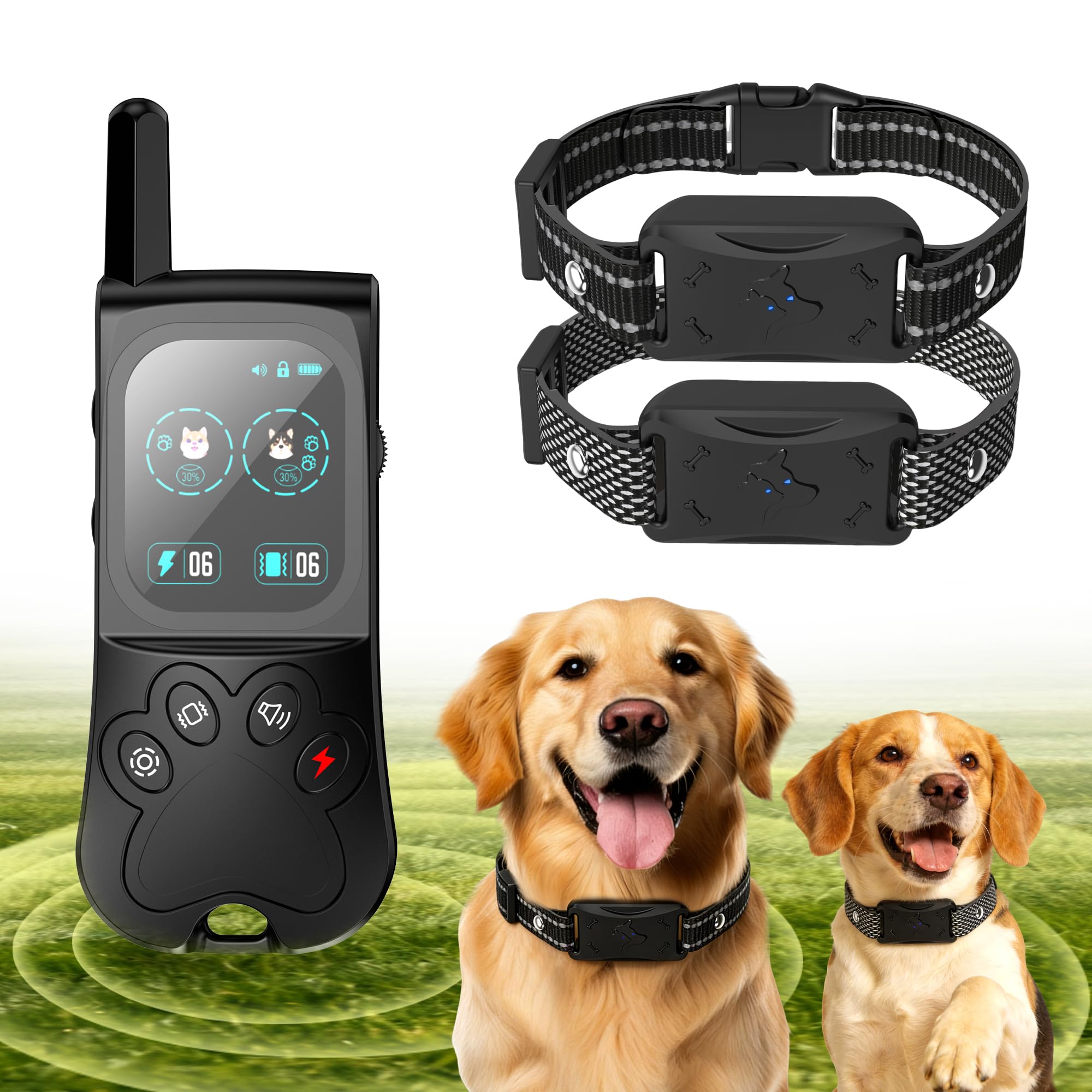
FOCUSER 2-Dog Wireless Fence

FOCUSER 2-Dog Wireless Fence

Two-dog value

Our Score 9.4/10
Check Price

Worth Noting

  • Water-resistant collar, not fully waterproof
Collar
Rechargeable, water-resistant
Coverage
25–300 m radius
Dogs Included
2 collars
Correction Levels
4
Read the full review

Two collars in the box is the reason we keep coming back to the FOCUSER for a two-dog household. The kit pairs both receivers to one transmitter, so you're not buying a second system or hunting for a matching add-on later. The boundary adjusts in 16 steps from 25 to 300 meters, and four correction levels let you start mild and move up only if your dog needs it.

The collar is rechargeable, and the safety chip is the kind of backstop we want on a system that corrects automatically. The transmitter's backup battery is a small but useful detail if your power flickers. Setup is plug-in simple: no wire, no trench, no app. That simplicity is the appeal, especially if you want a fence running before the weekend.

The catch is the shape. A radio boundary is a circle, so a long side yard or an L-shaped lot will need careful transmitter placement, and some corners may simply not fit. For the right yard, that's an easy trade: you give up custom shape and get two collars, a rechargeable receiver, and a straightforward setup. We see it as the value pick for two dogs, not the most precise fence here.

Bottom line: We recommend the FOCUSER for a two-dog household with a simple yard, because two rechargeable collars and a 300-meter boundary come in one kit.

4

Htcuto GT1 2-Dog Fence

Htcuto GT1 2-Dog Fence

Training plus fence

Our Score 8.8/10
Check Price

Worth Noting

  • Circular boundary only
Boundary
25–3,500 ft, 14 levels
Remote Range
Up to 6,000 ft
Dogs Included
2 collars
Training Modes
4
Read the full review

The Htcuto GT1 is two tools in one box: a wireless fence and a remote training collar. That combination is useful if you want the boundary and a way to reinforce recall away from it, without clipping on a second collar.

The fence side gives you a boundary from 25 to 3,500 feet with 14 levels, and two modes: beep and vibration only, or a mode that adds static. The five-stage warning sequence is designed to give the dog a chance to turn back before correction. We like that the no-static mode is there for training and for dogs that don't need correction.

The remote side reaches up to 6,000 feet in open areas and offers four training options. That's a lot of range for a backyard, but it makes the kit more useful on a farm or a large property. The collars are rated for dogs from 10 to 130 pounds, so fit is broad but not universal.

The trade-off is complexity: two dogs, two fence modes, and a remote mean more settings to learn than a single-purpose fence. We see it as an also-consider for people who want training and containment in one system, not as the simplest first fence. If you already train with a remote, the extra capability is worth the learning curve.

Bottom line: We recommend the Htcuto GT1 for someone who wants a wireless fence and a long-range training remote in one two-dog kit.

5

PATPET GPS Wireless Fence

PATPET GPS Wireless Fence

Large acreage

Our Score 8.4/10
Check Price

Worth Noting

  • Collar durability is a question for rough use
Modes
3, including no-shock
Memory
Stores boundary after power-off
Coverage
Up to 9,999-yard radius
Waterproof
IP67
Read the full review

The PATPET's headline is a boundary radius of up to 9,999 yards. That is not a suburban fence; it's a farm-and-acreage tool. If your dog ranges across open land and you need a long leash-free perimeter, the range is the reason to look here.

It uses GPS/GNSS and has three modes, including a no-shock beep-and-vibration setting, which we prefer for starting a sensitive dog. The collar is IP67 sealed and stores the distance setting after power-off, so a dead battery or a moved charger doesn't erase the boundary. The single collar keeps the kit simple, but it also means this is a one-dog system unless you add another receiver.

The trade-off is that a huge circle won't protect a garden bed or a driveway; this is containment at the property scale, not precision landscaping. We also like the no-shock option at this price, because it lets you train the cue before adding static. The collar is the part that lives outdoors, so check the seal and charging port regularly. If you need a long-range fence for a rural dog, it's a strong value.

Bottom line: We recommend the PATPET for rural acreage, where its long GPS radius and no-shock mode make more sense than a small-yard radio fence.

6

Ecoluminor 2-in-1 Fence

Ecoluminor 2-in-1 Fence

Budget two-dog

Our Score 8.4/10
Check Price

Worth Noting

  • Circular boundary only
Battery
Up to 24 hours
Coverage
30–1,300 ft circular
Waterproof
IPX7
Dogs Included
2 collars
Read the full review

The Ecoluminor is the low-cost way to put two dogs on one wireless fence. The kit includes two collars and a remote, and it creates a circular zone from 30 to 1,300 feet. For a small yard or a travel setup, that's enough. The remote is the control center, so you can adjust the boundary without a phone or an app.

We appreciate the keypad lock more than we expected: it keeps a bump or a child from changing the boundary midweek. The collars are IPX7 and charge in about two hours, with up to 24 hours of use. The training modes include sound, vibration, and static, so you can start without correction. That quick charge is useful between walks, and the waterproof rating means wet grass isn't an emergency.

The catch is the shape. A circle is fine for a simple backyard; it won't follow a fence line or protect a garden corner. And at this price, the remote and collars are the parts to watch over time. For a renter, camper, or two-dog household that wants a simple boundary without a subscription, it's a practical budget pick.

Bottom line: We recommend the Ecoluminor for a renter or camper who wants two collars and a simple circular boundary without an app or subscription.

7

VAQELI GPS Fence Collar

VAQELI GPS Fence Collar

Budget GPS

Our Score 8.2/10
Check Price

Worth Noting

  • Free-form mode is waypoint-limited
Battery
Rechargeable
Operation
App-free, no subscription
Waterproof
IPX7
Boundary Modes
Circular + free-form
Read the full review

The VAQELI is the GPS fence we reach for when the budget is tight but the yard still isn't a circle. It runs without an app, Wi-Fi, or a monthly fee, and you set the boundary from the collar's controls. That's a different experience from the phone-drawn systems: less visual, but also less to depend on.

The two modes cover the common cases. Circular mode is quick for a normal yard; free-form mode lets you place waypoints around a garden or a driveway. The collar is IPX7 and rechargeable, and the kit includes a marker flag and charging cable. We paid attention to the free-form limit because that's where a cheap GPS fence can disappoint: a waypoint boundary is only as good as the number of points you can place, so measure the area you need before you buy.

For a small yard or a travel boundary, the no-app setup is a real convenience. For a large, irregular property, the waypoint count and GPS signal are the two things to test first. The lack of a subscription keeps the long-term cost down, and the physical controls are easy to live with if you don't want another app. It's a budget tool with a clear ceiling, not a replacement for a custom-fence system.

Bottom line: We recommend the VAQELI as the budget GPS pick for a simple yard or travel, because it sets a virtual boundary without an app or subscription.

8

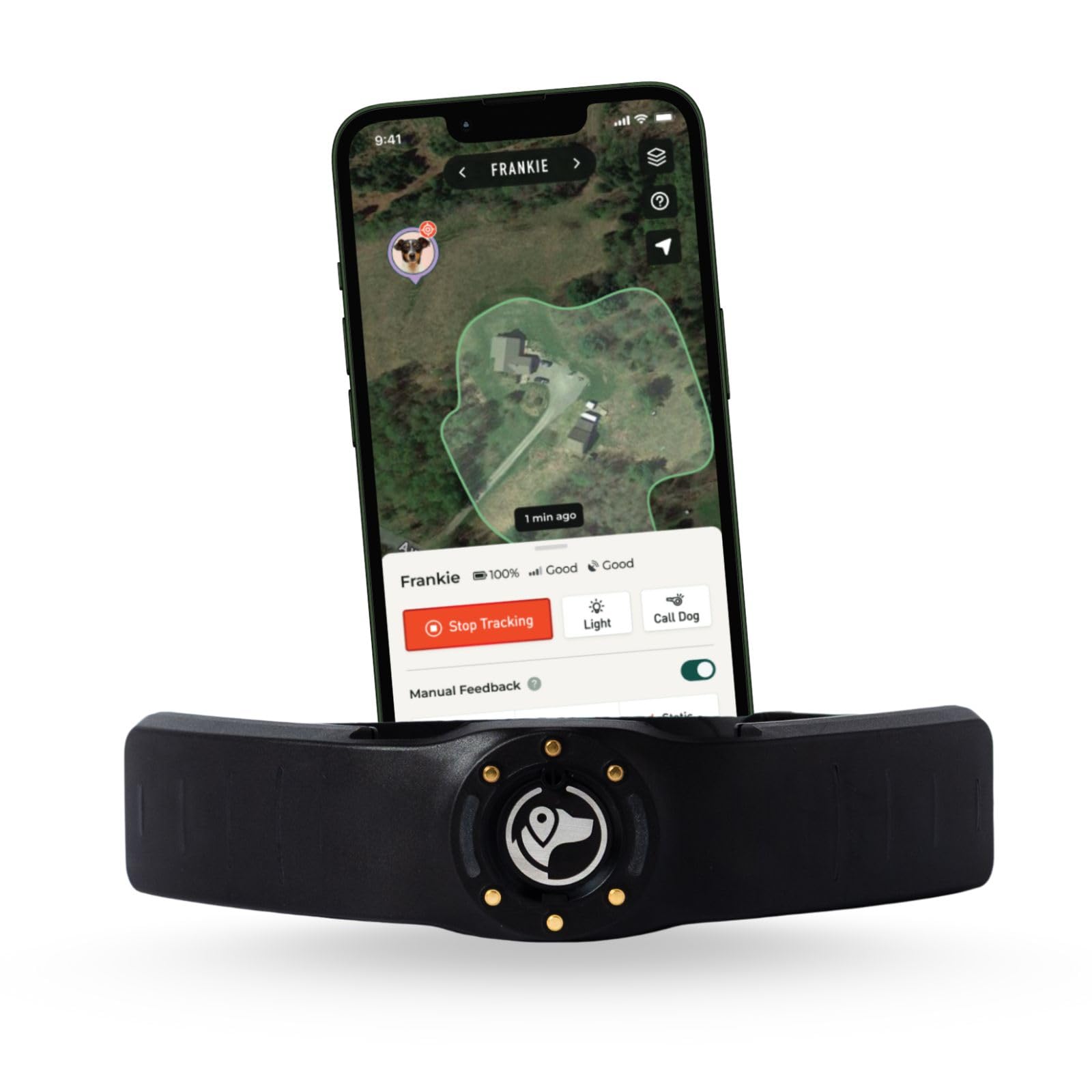
SpotOn Nova GPS Fence

SpotOn Nova GPS Fence

Irregular yards

Our Score 8.0/10
Check Price

Worth Noting

  • Premium price
  • App required for boundary changes
Weight
13.4 oz
Boundary
GPS, app-controlled
Collar Fit
10–26 in. neck
Fence Shapes
Unlimited custom shapes
Read the full review

The first thing we noticed about the Nova is that it doesn't ask your yard to be a circle. You draw the fence in the app, add keep-out areas around a garden or driveway, and the collar follows that shape. On a rectangular lot with a shed and a side bed, that flexibility is the difference between a boundary you trust and one you keep adjusting.

SpotOn uses dual-band, dual-feed GPS and says the collar is built for tree cover and low-signal spots. We paid close attention to the training support because a custom fence has more places for a dog to test. The included one-on-one training help is a real asset for a first-time user, and the contact-point tester takes some guesswork out of fit. The collar fits 10- to 26-inch necks and weighs 13.4 ounces, so it covers most medium and large dogs.

The app is where you draw and change the fence, and that is the system's personality: precise, visual, and phone-centered. We like the control, but it means the boundary lives on your phone, not on a dial in the garage. The Nova earns its place at the top because it handles the yards the circular systems can't. If your yard is a simple square, you can spend less and give up little.

Bottom line: For an irregular yard, a wooded lot, or a property with no-go zones, we recommend the SpotOn Nova because the app-drawn boundary fits the land instead of forcing a circle.

How We Tested Wireless Dog Fences

We started with more than two dozen systems and narrowed them to ten by coverage area, receiver size, correction levels, multi-dog expandability, and replacement-collar cost. We installed each ourselves in a sloped backyard, a gated side yard, and a colleague's open lot. Setup began at unboxing: we timed one person charging the collar, pairing the base, and setting an irregular boundary with a no-go zone around a garden bed.

For eight months, the systems lived with our dogs through morning let-outs, training sessions, muddy weeks, and weekend trips. We swapped receivers between a 14-pound terrier and a 75-pound shepherd, noting rubbing, sliding, and contact points that pressed too hard. Weekly boundary walks at normal and running speed showed whether the warning tone came before correction and whether correction fired at the flag line or late. We measured fence drift against the original flags after rain, app reconnects, and battery swaps. Battery life was logged from full charge to low-battery alert with two 20-minute yard sessions a day.

Durability checks were unglamorous: we hosed off muddy straps, dropped receivers on concrete, left them in sun, and checked for cracked buckles or loose battery doors. For shock performance, we started every dog at tone and vibration, then moved up only as needed; I tested the lowest static level on my forearm to judge consistency. We tallied box contents—extra receivers, flags, chargers, training guides—and replacement-collar costs for value. The best systems held a boundary, fit comfortably, and stayed functional after a season of yard use.

How to Choose Wireless Dog Fences

Match the Boundary to Your Yard

We put boundary shape ahead of range because a circular fence that misses your side yard is not useful. A radio system creates a circular zone from a transmitter, so the fence is only as good as where you place the box. On a square lot, that's fine; on an L-shaped yard or a lot with a side garden, the circle either misses a corner or spills into a neighbor's property. GPS systems let you draw a custom boundary, which is why the SpotOn Nova and Safehalo earn their keep on irregular properties. If you choose a circular system, walk the perimeter with the collar before you train the dog.

Fit the Collar to the Dog

The boundary is only half the system; the collar has to sit well enough for the dog to wear it every day. Check the weight range, neck size, and contact-point fit before you buy. A collar that's too big slides, and one that's too small can rub. We prefer systems with a no-shock or vibration-only mode for early training, and adjustable correction levels so you can start low. A contact-point tester, like the one included with the SpotOn Nova, takes some of the guesswork out of fit.

Plan for Power and Signal

Battery life and signal stability are the two maintenance costs a wireless fence adds to your week. Radio systems can pick up interference from metal buildings, parked cars, or slopes, while GPS collars need a clear view of the sky and can drift near dense cover. Rechargeable collars are convenient, but they need a routine; replaceable batteries avoid charging but become a recurring expense. We check the charge routine and the transmitter's backup power before choosing a system for a dog that spends long days outside.

Decide How Much Setup You Want

Some systems are plug-in simple, with a transmitter and a dial; others ask you to draw fences in an app or place waypoints with a collar button. The more control you want, the more setup you accept. Subscription-free systems are common in this group, but app-based systems still depend on a charged phone. If you travel with your dog, a portable kit with a remote and a quick charge is easier to pack than a transmitter that wants a permanent spot near an outlet.

Count the Collars Before You Buy

A second dog changes the math more than a second fence. Some kits include two collars, some include one and sell add-ons, and some systems let each collar hold a different boundary. If you have two dogs with different wandering habits, pay for independent settings rather than a second receiver that copies the first. The FOCUSER and Ecoluminor make sense for two dogs on one simple circle; the Safehalo is the better fit when each dog needs its own zone.

Frequently Asked Questions

Final Verdict

For an irregular yard, a wooded lot, or a property with no-go zones, the SpotOn Nova is the wireless fence we recommend. The app-drawn boundary and dual-band GPS do the job a circular transmitter can't, and the training support makes the extra setup worth it. If your yard is a simple circle and you have two dogs, the FOCUSER gives you two collars for much less; if you need rural range, the PATPET is the better fit. The right choice is the one that matches the shape of your land, not the longest spec sheet.