Food & Treats

Best Natural Puppy Food of 2026

A puppy’s first year is a growth sprint, and the food you scoop twice a day has to keep up with loose skin, sharp teeth, and a digestive system that hasn’t read the manual. I’ve fed hopeful bags to a friend’s Labrador puppy who would rather chase leaves than eat, and I’ve learned that “natural” on the label tells you almost nothing until you see how a puppy handles it. You’re shopping for a formula that gets eaten without a hunger strike, settles well, and keeps skin and coat looking good — without costing more than it should.

Picky eating is the first hurdle, but it isn’t the only one. Over six months, our team fed 12 natural puppy foods to puppies with different needs, reading ingredient panels as closely as we watched the bowl; some were licked clean, while others needed a splash of warm water and patience. Hours later, we checked stool quality, gas, and coat condition, because paper appeal doesn’t help a sensitive stomach. The picks below earned repeat meals, not just an initial sniff.

1

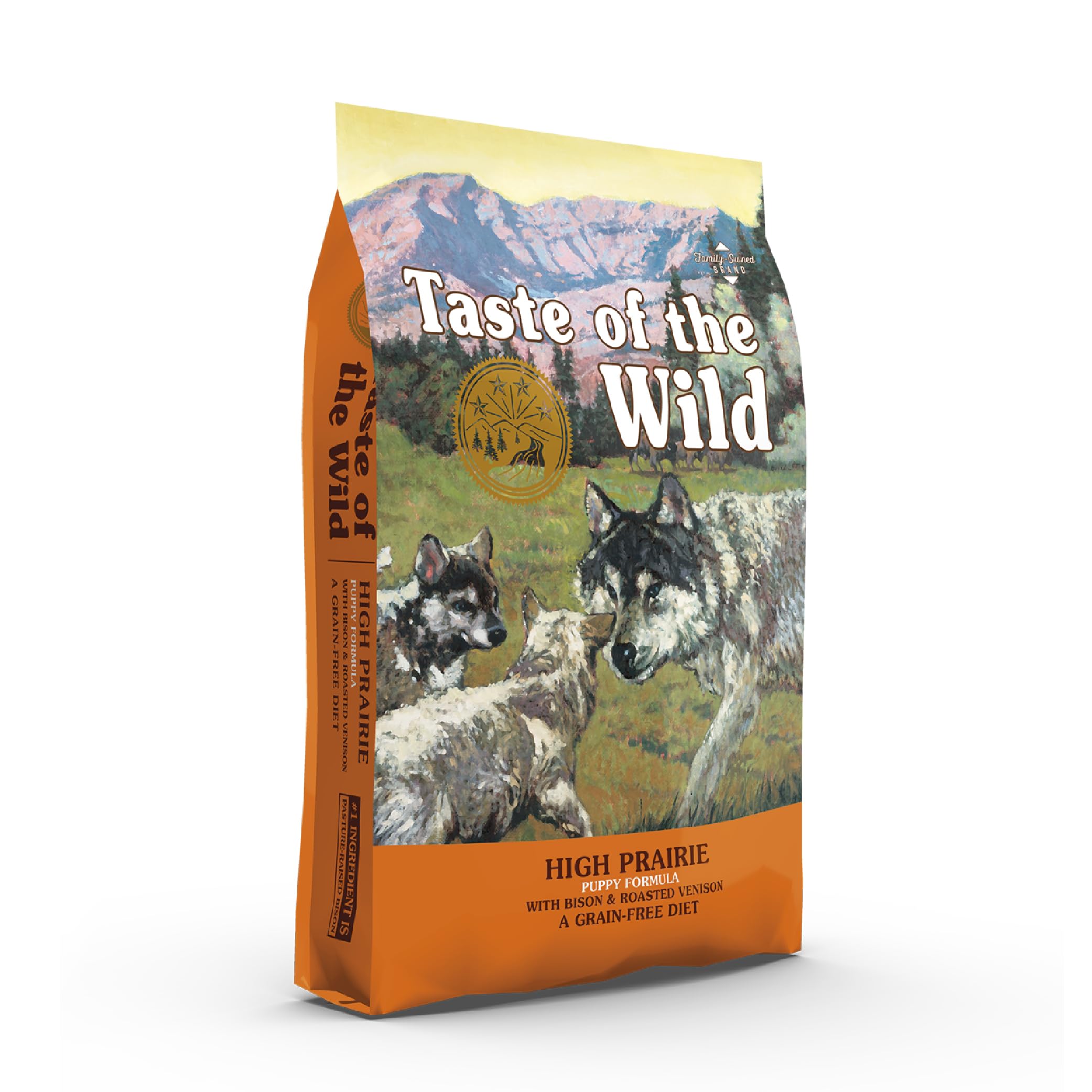
Taste of the Wild High Prairie Puppy

Top Pick
Taste of the Wild High Prairie Puppy

Puppy growth

Our Score 9.4/10
Check Price

Worth Noting

  • Small kibble can be too easy for large puppies to gulp
Protein
28%
Bag Size
28 lb
Life Stage
Puppy
Primary Protein
Bison and venison
Read the full review

Twenty-eight percent protein is the first thing that separates Taste of the Wild High Prairie Puppy from the value pick here, and the recipe backs it with bison and venison as the named meats. We like that the formula is built around puppy growth rather than adult maintenance, with probiotics and omega fatty acids folded into the same bag, and it also carries an all-life-stages claim that covers a nursing mother. That matters if you are feeding a litter or want one formula to take a puppy through the first year.

The 28-pound bag is the practical size for most medium and large puppies: big enough to be worth buying, not so big that you are stuck with months of food if the formula does not agree. We paid attention to the kibble size, because the pieces run small. That is a plus for toy and small breeds, but a fast-eating larger puppy can gulp them down; a slow feeder is worth having if yours eats like a vacuum.

Against the rest of this group, it is the middle of the road on cost and the most straightforward fit for a puppy with no special skin or size requirement. Diamond Naturals wins on cost per pound; Orijen has the large-breed growth statement. Neither makes this formula less of a default for the average puppy.

Bottom line: We recommend Taste of the Wild High Prairie Puppy as the default for growing puppies: 28% protein, bison and venison first, and probiotics make it a strong daily formula.

2

Blue Buffalo Baby Blue

Blue Buffalo Baby Blue

Trial feeding

Our Score 9.4/10
Check Price

Worth Noting

  • Small bag runs out fast for larger puppies
Bag Size
4 lb
Life Stage
Puppy
Primary Protein
Chicken
Development Support
DHA
Read the full review

The 4-pound bag is the smart part of Baby Blue. A new puppy is a moving target: appetite, stool, and willingness to eat can change in a week, and a small bag lets you find out whether the formula agrees before you commit to a 30-pound sack. We also like that this is a puppy-specific recipe with DHA for cognitive development rather than an adult formula repackaged for growth.

Chicken is the first ingredient, and the formula stays away from corn, wheat, soy, and poultry by-product meals. LifeSource Bits add antioxidants, which is a nice extra in a bag this size. The trade-off is staying power: a 4-pound bag is a trial, not an economical long-term plan for a Labrador.

Stomach tolerance is the reason to start small. Some puppies handle Baby Blue easily; others get diarrhea or refuse the food outright. If your puppy has a sensitive stomach, treat this as a try-before-you-buy bag, not a formula to force. If it agrees, you can move to a larger Blue Buffalo puppy bag with less guesswork.

Bottom line: Baby Blue is the bag we reach for when a new puppy needs a low-commitment trial: puppy-specific DHA and a 4-pound size make the first switch easier.

3

ORIJEN Puppy

ORIJEN Puppy

Large-breed growth

Our Score 9.4/10
Check Price

Worth Noting

  • Highest cost per pound here
  • Mixed digestive tolerance in some puppies
Bag Size
4.5 lb
Life Stage
Puppy, large-breed growth
First Ingredient
Chicken
Animal Ingredients
85% fresh or raw
Read the full review

Eighty-five percent fresh or raw poultry and fish is the number Orijen leads with, and the first five ingredients are all animal-derived: chicken, turkey, chicken liver, salmon, and whole herring. That is the most animal-dense formula here, and it is the reason to consider it if you want a high-protein puppy food rather than a grain-heavy one.

We recommend Orijen for a large-breed puppy that has already done well on rich food, because it is one of the few formulas here explicitly formulated for growth of large-size dogs. The catch is digestive tolerance: some puppies do better with it than others, and a puppy with a sensitive stomach should start elsewhere. The fishy smell is noticeable, too.

The 4.5-pound bag is a trial, and that is the right way to approach a formula this rich. If it agrees with your puppy, the large-breed growth statement and the organ-meat blend are the reasons to stay; if it does not, the smaller bag has not locked you into months of food.

Bottom line: We recommend Orijen for the buyer who wants the most animal-dense puppy food here and has a large-breed puppy that handles rich, grain-free formulas.

4

Fromm Puppy Gold

Fromm Puppy Gold

Toy breeds

Our Score 9.4/10
Check Price

Worth Noting

  • High cost per pound
  • 5-pound bag is short-lived for larger puppies
Bag Size
5 lb
Breed Size
Small and medium
Life Stage
Puppy
Primary Proteins
Chicken, duck, lamb
Read the full review

The kibble is the first thing you notice about Fromm Puppy Gold. The pellets are small enough for a toy-breed puppy to pick up comfortably, which is not a small thing when you have a Chihuahua or a dachshund trying to eat food designed for a Labrador. The recipe uses chicken, duck, and lamb as named proteins and adds salmon oil for coat condition.

The whole-grain approach is the other reason this bag makes sense for a small breed: the formula uses a mix of whole grains instead of going grain-free, and the probiotics are there for digestion. The 5-pound bag is the limitation. It is a sensible size for a small breed, but a larger puppy will empty it quickly, and the cost per pound is high.

Choose Fromm when kibble size is the deciding factor, not when you are shopping for the cheapest way to feed a growing Labrador. For a toy or small-breed puppy, the small pellets and three-protein recipe make mealtime easier; for a bigger dog, the value picks here make more sense.

Bottom line: We keep Fromm Puppy Gold in the small-breed slot because its tiny kibble and three named meats make a toy puppy's meals easier.

5

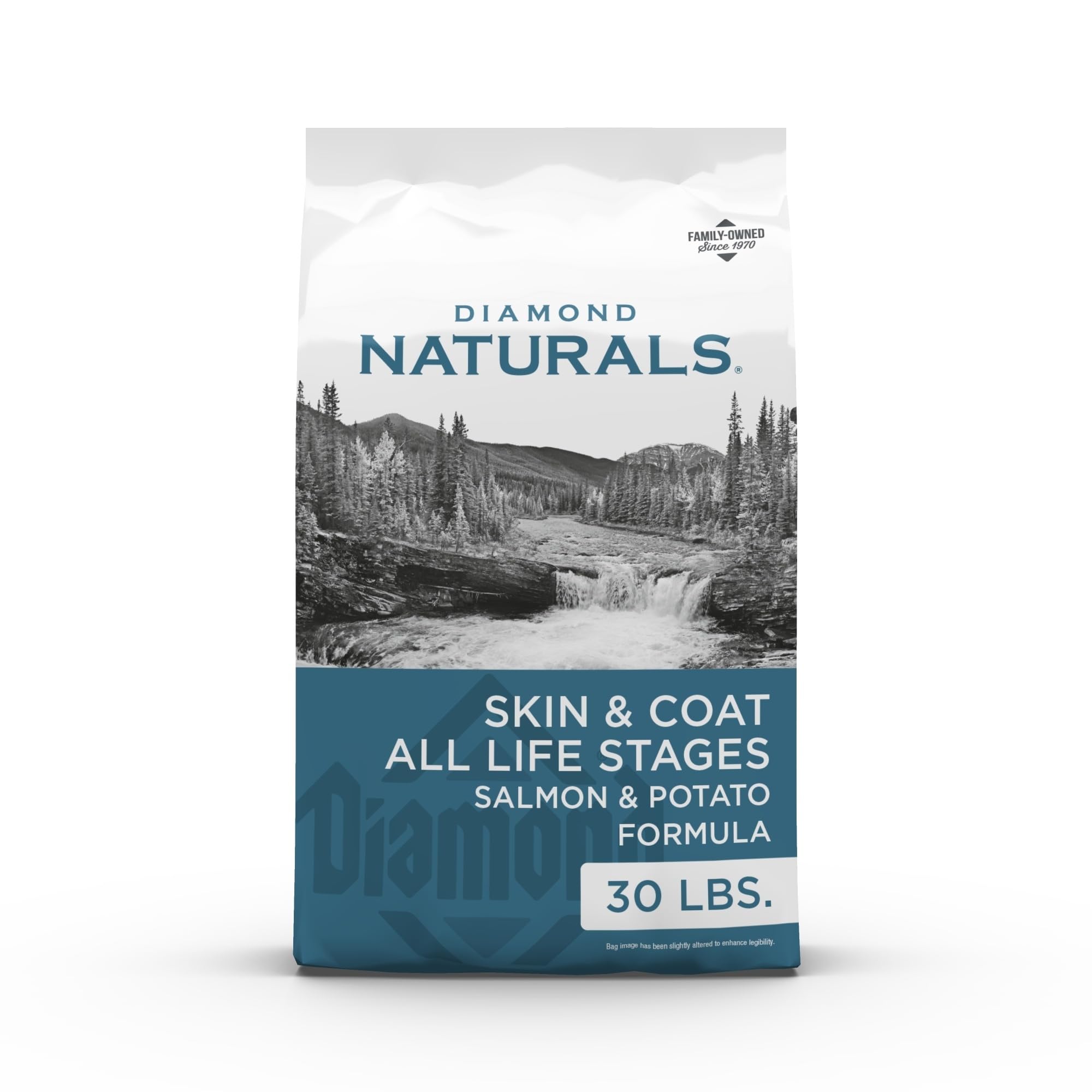
Diamond Naturals Skin & Coat

Diamond Naturals Skin & Coat

Skin and value

Our Score 9.2/10
Check Price

Worth Noting

  • Mixed digestive tolerance in some puppies
Bag Size
30 lb
Life Stage
All life stages
Primary Protein
Salmon
Digestive Support
K9 Strain probiotics
Read the full review

A 30-pound bag and the lowest cost per pound here make Diamond Naturals the first bag a value-minded household will look at. Salmon is the first ingredient, the formula is chicken-free, and it includes K9 Strain probiotics plus omega fatty acids for skin and coat. That is a sensible combination for a puppy with itchy skin or a home that wants one bag to cover a puppy and an adult dog.

That combination makes it our value pick, especially when a puppy needs a chicken-free salmon formula and the household can use the big bag. The catch is digestive tolerance: some puppies do fine on it, while others get loose stools, so make the switch slowly and give it a week before you judge the formula. A puppy with a very sensitive stomach is better off starting with a smaller trial bag.

The all-life-stages label is useful, but it is not permission to feed adult portions. Use the puppy chart for your dog's current weight and expected adult size, then move to the adult amount as growth slows. If you are feeding a large-breed puppy, check the expected adult size against the bag's guidance before you commit to the 30-pound bag.

Bottom line: Diamond Naturals is the value pick we point to when a puppy needs a chicken-free salmon formula and the household wants a big bag without paying premium prices.

How We Tested Natural Puppy Food

We started with a longer list of natural puppy foods and narrowed it by reading guaranteed analyses, checking for a growth-stage statement on the label, and filtering out formulas with vague ingredient names or prices that didn’t match the nutrition. From that shortlist, we tested 12 formulas over six months with a panel of puppy households, from small breeds to large-breed pups, including a few with known food sensitivities. Each food got at least three weeks and a gradual switch, so we weren’t blaming a new bag for an old stomach upset.

At mealtime, we watched whether puppies went for the bowl immediately, picked out pieces, or walked away, and we logged how much was left after 10 minutes. For the hesitant ones, we tried the kibble dry, then softened with warm water. We also sniffed each bag and kept a simple 24-hour log: stool firmness, gas, and yard cleanup, since a natural formula can still be hard on a sensitive stomach. Cost per day mattered, too—we measured cups per bag against the feeding guide rather than judging value by the sticker price alone.

For puppies with allergies or itchy skin, we noted paw licking, ear redness, and scratching at the start and end of each bag, and we compared coat shine and flaking along the way. We also tracked energy, weight gain, and enthusiasm over the full bag, because a food is only effective if a puppy keeps eating it after the novelty wears off. The formulas that made the list were the ones that held up across all of it: clean bowls, settled stomachs, and coats that looked better than when we started.

How to Choose the Right Natural Puppy Food

Match the formula to your puppy's growth stage

Puppy formulas are built around growth, while all-life-stage formulas are suitable for puppies and adults as long as you feed the puppy amount. If your puppy is expected to reach 70 pounds or more, look for a formula that explicitly meets growth requirements for large-breed dogs; Orijen states that on the bag. A puppy-specific formula like Taste of the Wild High Prairie Puppy is the simpler default for most households.

Diamond Naturals' all-life-stage salmon formula can work, especially if you also have an adult dog, but don't use the adult feeding chart. The life-stage label tells you who the food is for; the feeding chart tells you how much. Treat them as two separate decisions.

Put a named animal protein first

Natural is a broad label, and a named animal protein at the top of the ingredient list is more useful than a long list of botanical extras. Chicken, salmon, bison, or a combination tells you what the protein source actually is. Taste of the Wild uses bison and venison, Diamond Naturals starts with salmon, and Orijen goes further with organ meats.

We do not think every puppy needs an 85% animal-ingredient formula, but we do want the first ingredient to be a recognizable protein. Pair that with a complete-and-balanced statement and you have a more useful shortlist than the word natural alone provides.

Choose kibble size and bag size for your breed

A 4-pound bag is a trial, not a value plan for a large puppy. Small breeds do well with a small kibble like Fromm Puppy Gold, while a fast-eating Labrador may need a larger piece or a slow feeder. Match the bag to your storage and how fast your puppy eats: 30 pounds is sensible for a multi-dog home or a big puppy, while 4 to 5 pounds lets you test a formula before committing.

The trap is buying the big bag first and discovering your puppy won't eat it. A trial bag costs more per pound, but it is cheaper than throwing out 30 pounds of food your puppy refuses.

Plan the switch and watch digestion

Any new food can upset a puppy's stomach, even a good one. Mix increasing amounts of the new kibble with the old over about a week, and keep the rest of the routine steady. Probiotics in formulas like Taste of the Wild and Diamond Naturals can help, but they do not make a food that disagrees with your puppy a good fit.

If loose stools or vomiting continue beyond the transition, stop and talk to your vet. A puppy that is lethargic or refusing water needs attention sooner rather than later.

Decide what premium buys you

Premium bags cost more per pound, and the difference is not always visible in the bowl. Orijen's higher animal content and large-breed growth statement justify the premium for some buyers; Taste of the Wild sits in the middle with 28% protein and probiotics. Diamond Naturals wins on cost per pound while still putting salmon first.

We pay for a named protein and a complete-and-balanced statement first, then for extras like fresh or raw ingredients. Your puppy's stool, energy, and coat over the first month tell you more than the price tag.

Frequently Asked Questions

Final Verdict

Taste of the Wild High Prairie Puppy is our default because it gives a growing puppy 28% protein, named bison and venison, and probiotics without forcing you into the most expensive bag here. If cost is the deciding factor, Diamond Naturals is the value pick; if you need a formula explicitly built for large-breed growth, choose Orijen and introduce it slowly. For a toy-breed puppy, Fromm's small kibble is the easier meal to manage.